From first notes to the stage, practice for every step
Practice methods in the order you learn a piece. Start with the step you’re on.
Step 1
Reading the score
A new piece: get the notes, fingering, and rhythm into your hands
In Virtu
Choose Learn from the start and each bar is played for you first, then waits until you play the right notes
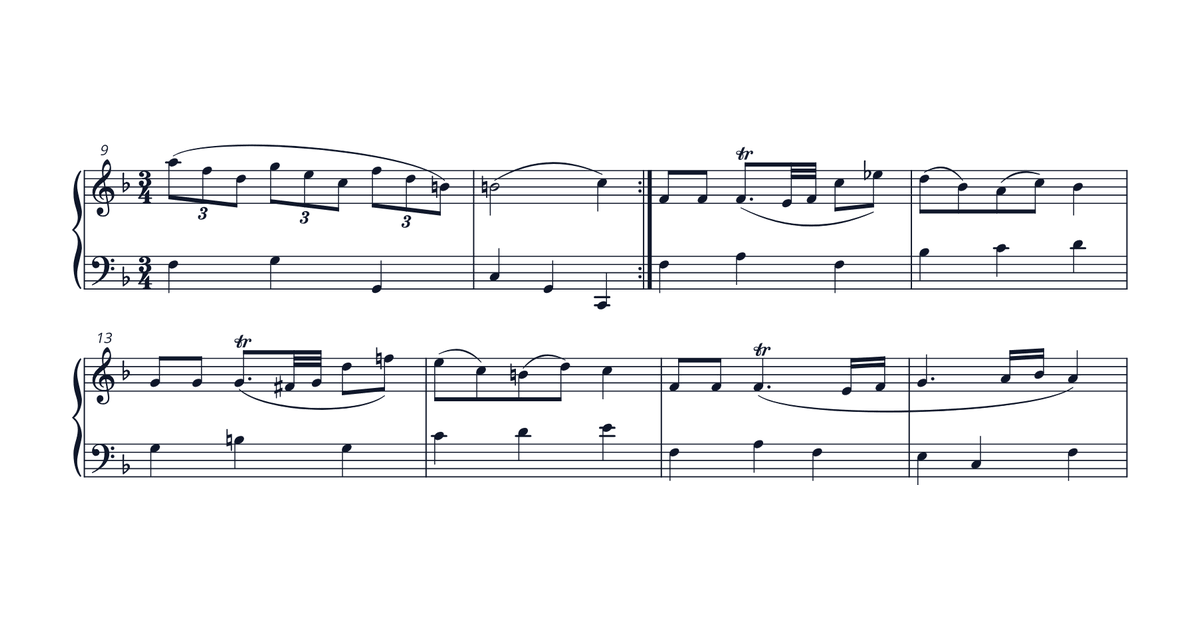 Piano pieces by difficulty: find repertoire at your level on a 0–10 scaleTwelve classic piano pieces in order of difficulty, from Petzold’s Minuet in G to Chopin’s Winter Wind Étude, with the technique each piece builds, its hardest bars, and how to choose your next piece.
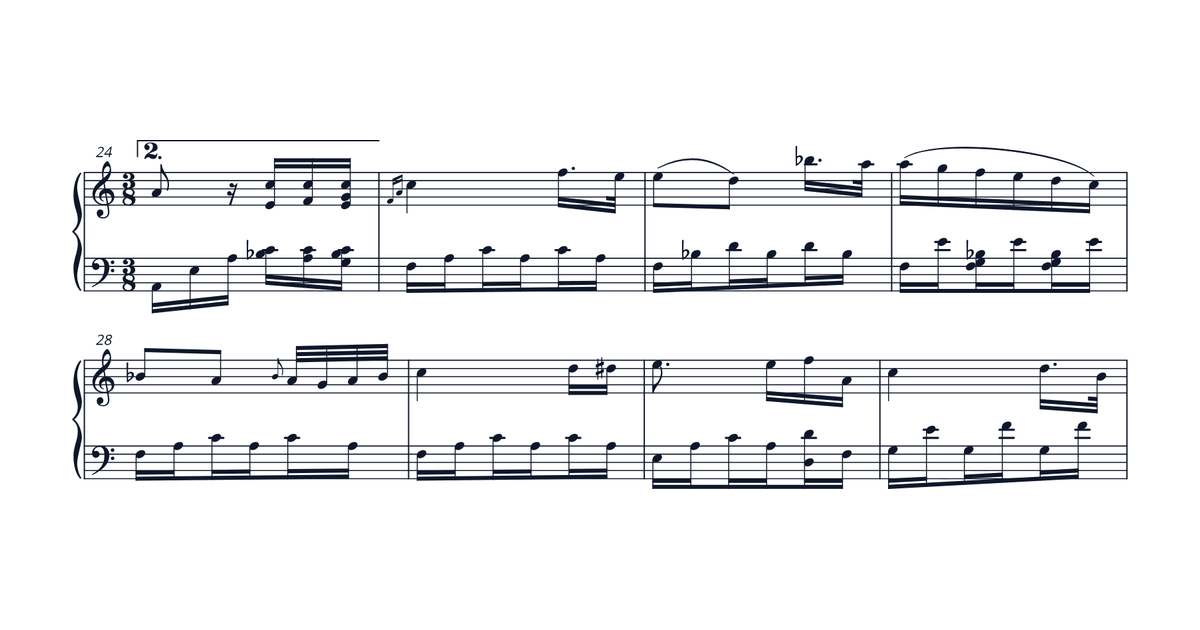 Für Elise difficulty and how to practice it: the four hard spots, section by sectionHow hard is Für Elise? Difficulty 5 in Virtu and level 3 at Henle. See its four technical trouble spots in the score with audio clips and a step-by-step practice plan.
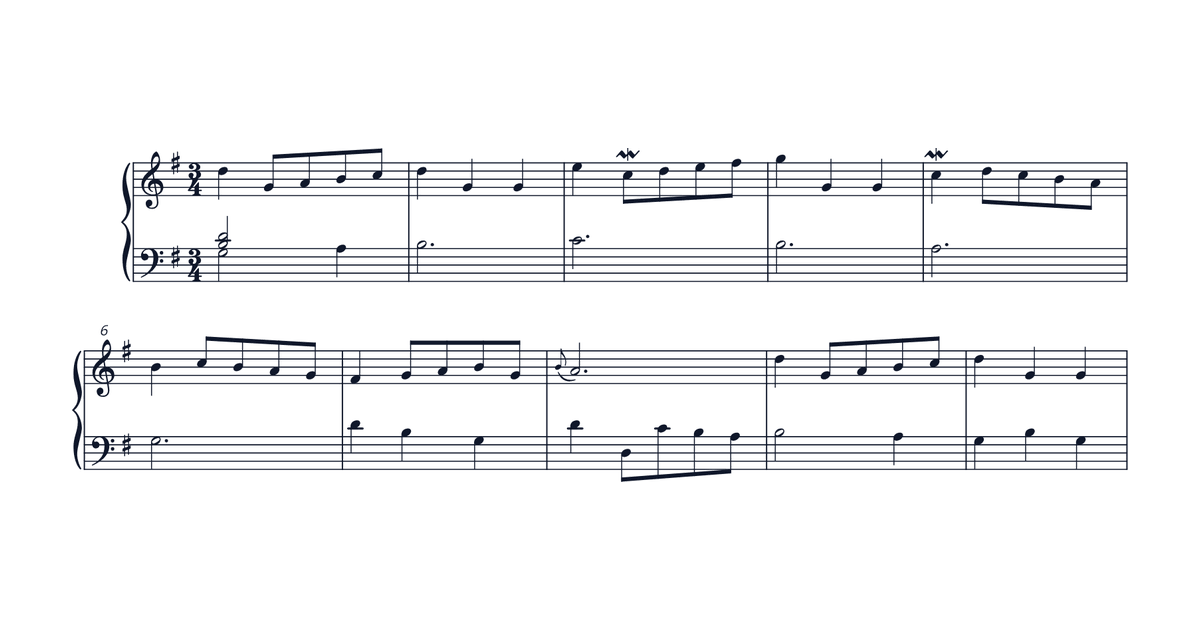 How to improve piano sight-reading: read new music without stoppingIf you know your note names but keep stalling on unfamiliar music, it’s time to change how you read: pre-scan the score, read by intervals and shapes, look a beat ahead, and keep the pulse moving through slips.
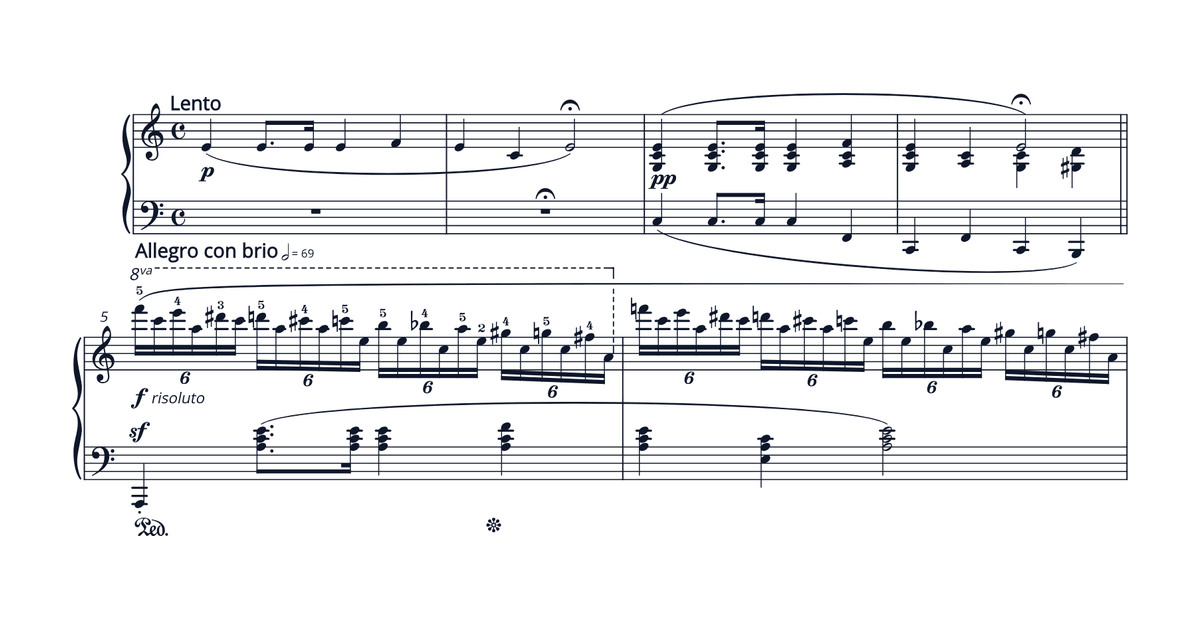 Fermata meaning in piano music: how long to hold it and how to go onA fermata asks you to sustain a note or rest longer than its written value. Learn how long to hold it, how to resume the tempo afterwards, and how fermatas work over rests and barlines, with score examples and audio.
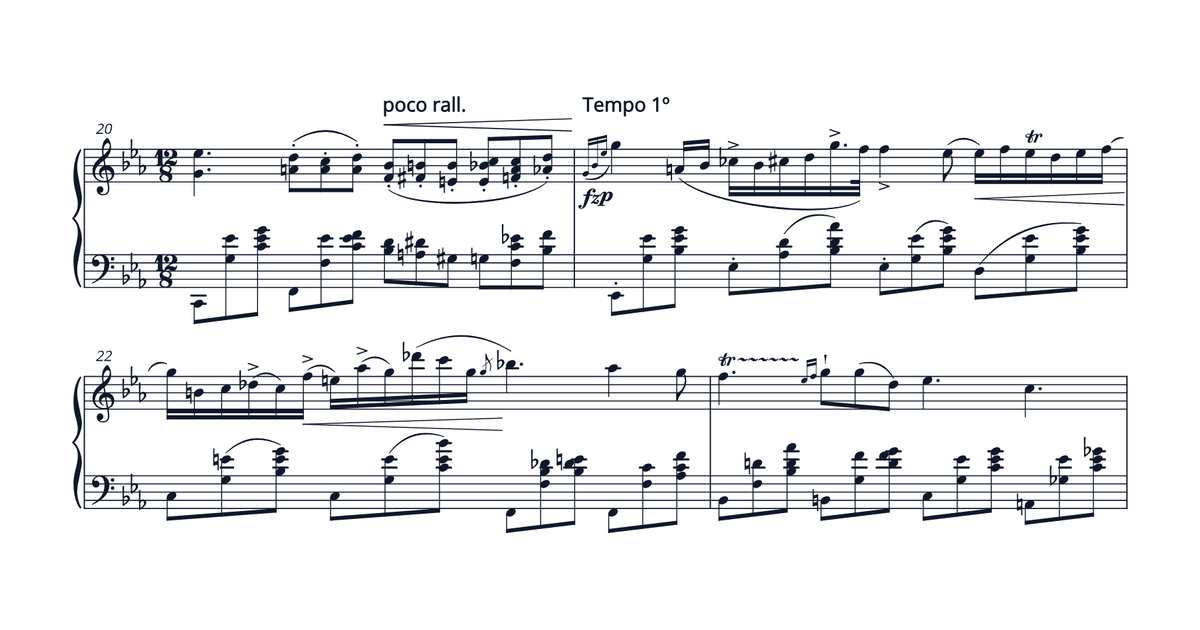 How to play piano trills and ornaments: mordents, turns, grace notes, and rolled chordsWhere a trill starts, how fast it goes, and how to play mordents, turns, grace notes, and rolled chords, with historical performance traditions and audio examples.
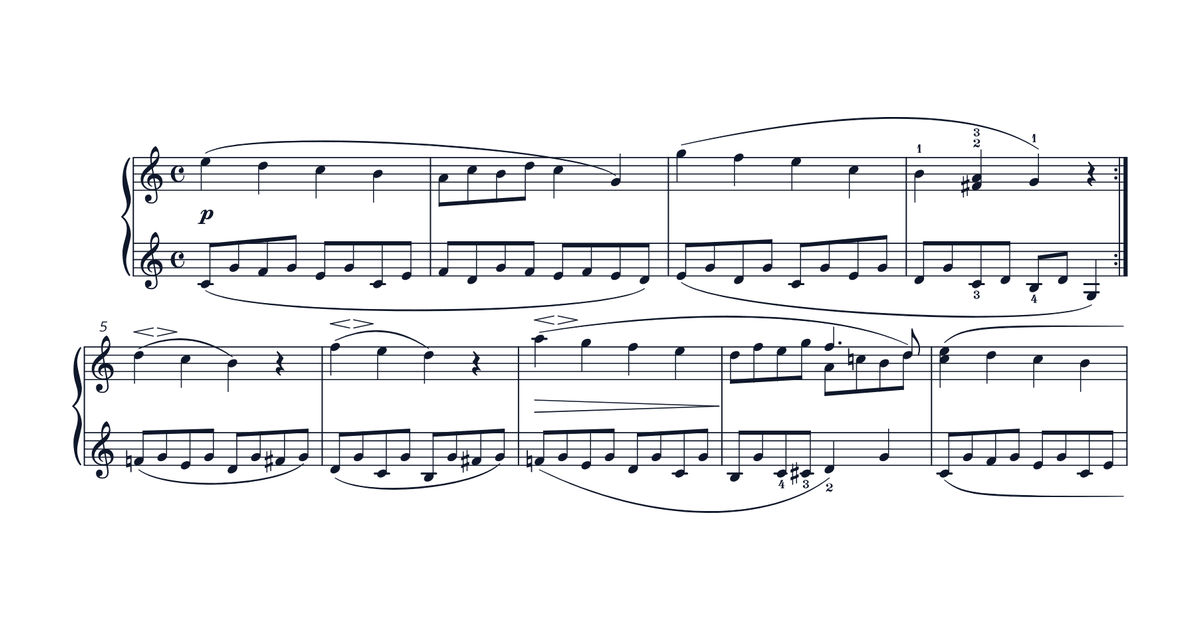 How to start learning piano as an adult: first steps and your first monthA practical roadmap for adult piano beginners: choosing an instrument, setting up posture, learning keyboard geography, reading rhythm and staff notation, structuring a 20-minute session, and planning your first month.
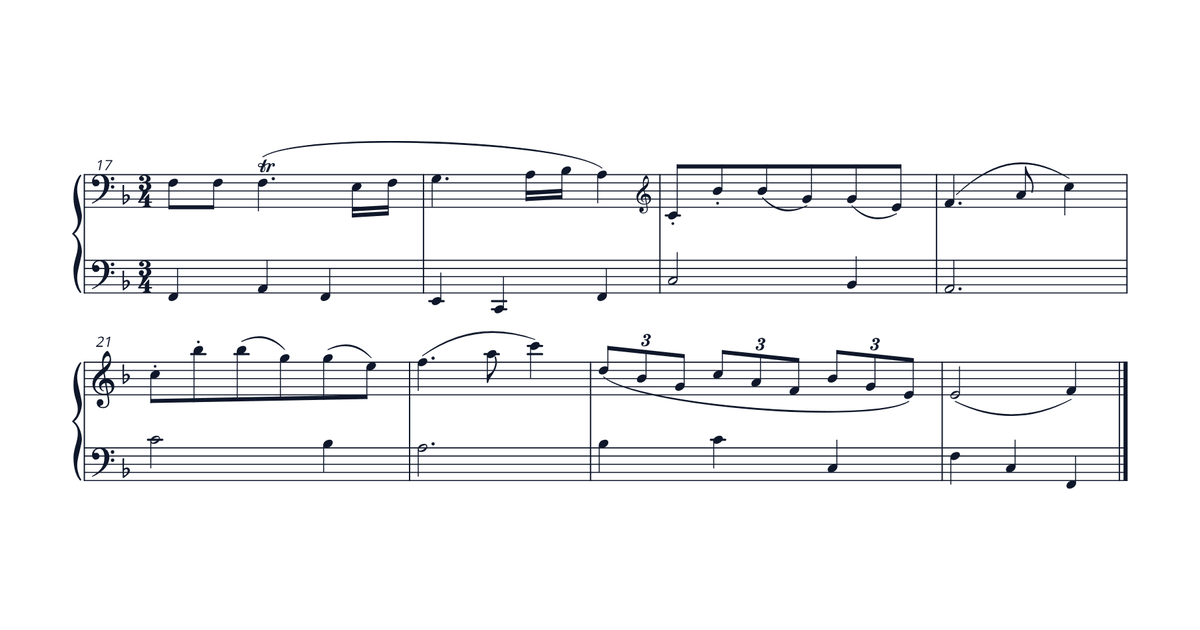 How to learn piano songs without reading music: listen first, then go bar by barStill learning to read sheet music? Hear the piece first, then learn the notes one measure and one hand at a time, with the practice order, common pitfalls, and Learn from the start in Virtu.
Step 2
One hand at a time
Left and right apart, slowly, with the score
In Virtu
- Left hand
- Right hand
- Both hands
- Written tempo
- Memory
- Finishing
Once each hand passes on its own, hands-together practice opens
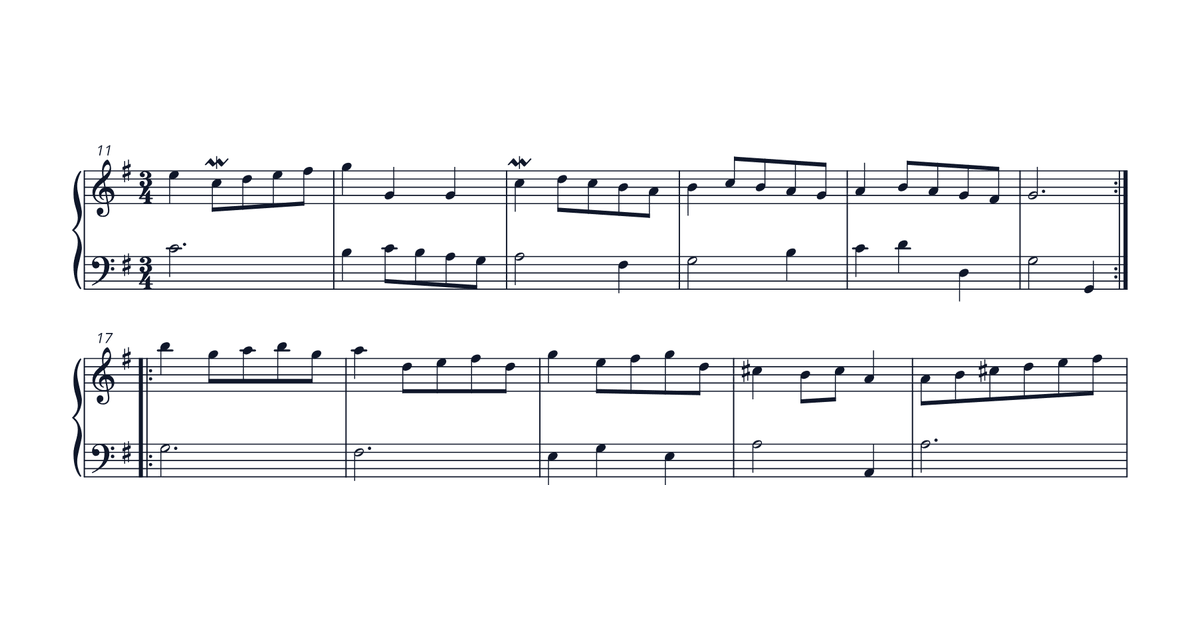 Hands-separate piano practice: why to do it and when to put hands togetherLearn why practicing each hand alone works and the exact moment to combine them: the progression from one hand to both and up to tempo, common pitfalls, and how Virtu structures the stages.
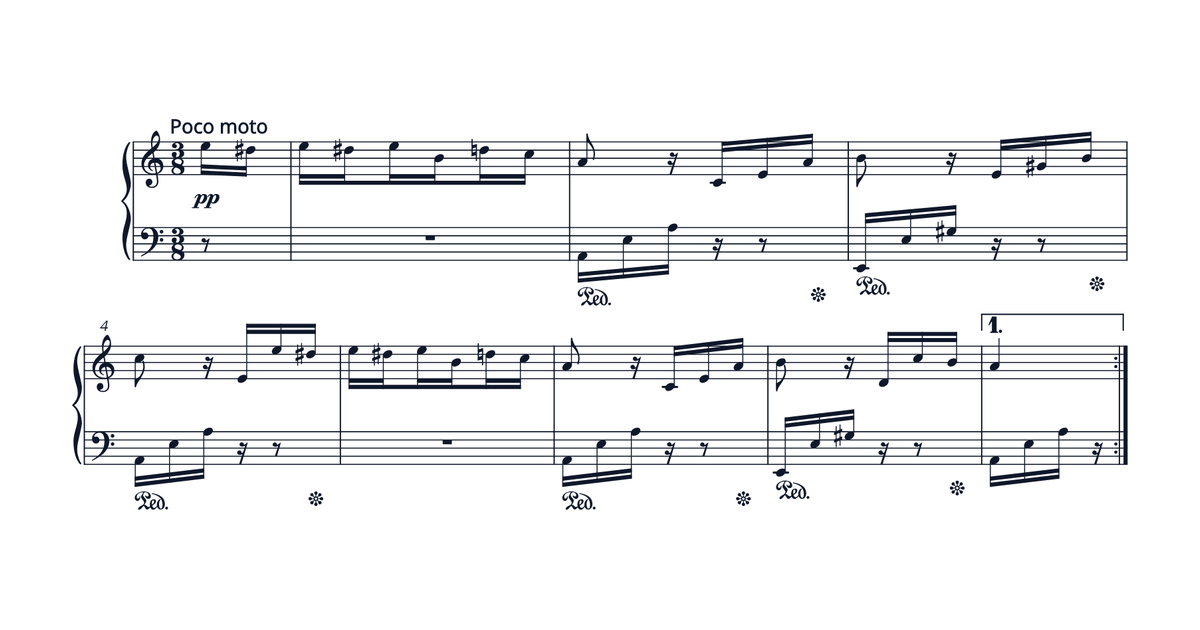 Piano finger independence: how to free your ring finger and pinky safelySee why your fourth finger pulls its neighbors along, and follow a safe, relaxed sequence: small key-surface lifts, tabletop taps, and arm-weight support.
Step 3
Both hands
When each hand works alone but together they stop
In Virtu
Points out the bars where one hand comes in late or the hands don’t land together
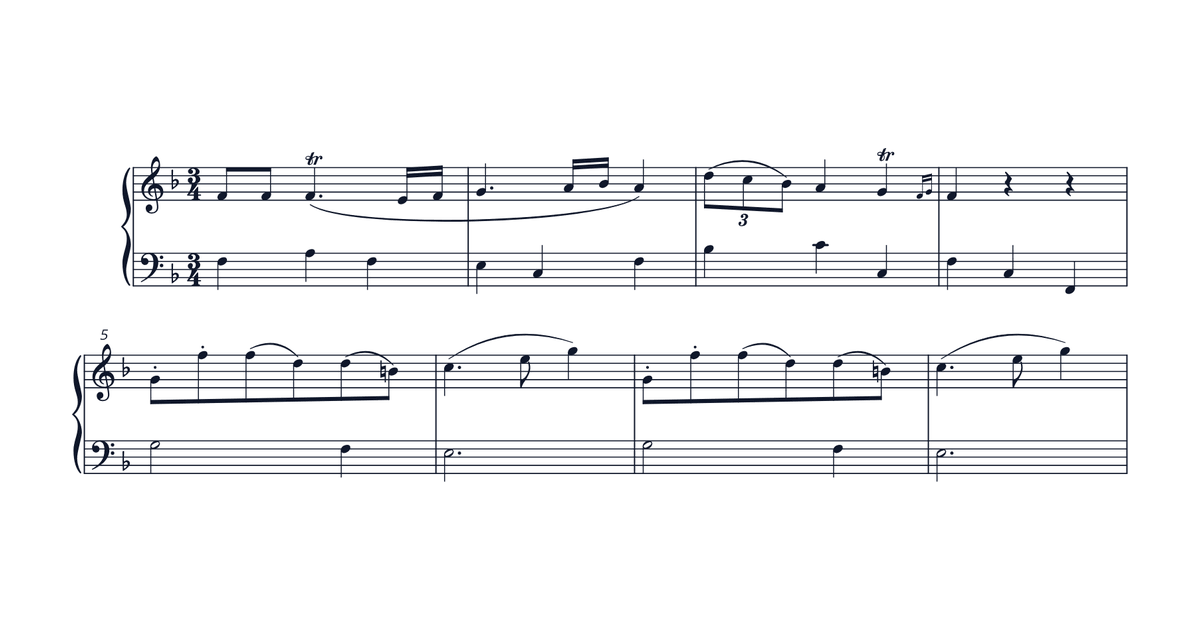 Two-hand piano coordination: why your hands freeze when combined and how to fix itSee why each hand plays fine on its own yet locks up when combined, and follow a four-step fix: lining up shared beats, splitting touch between hands, looping stuck measures slowly, and handling cross-rhythms.
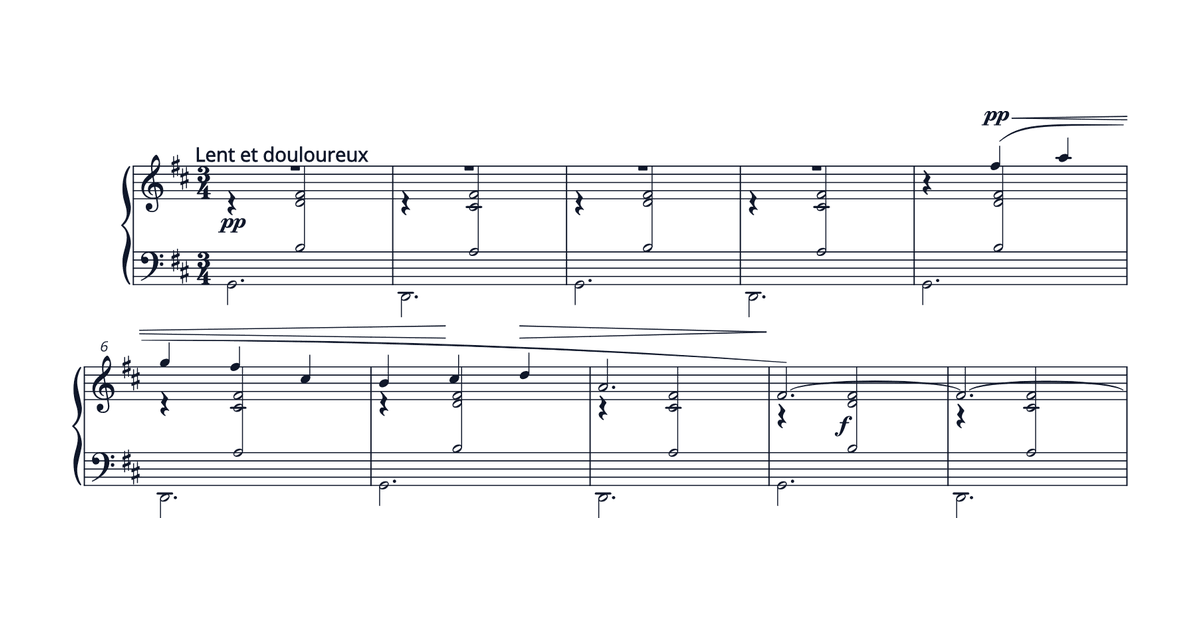 Piano subdivision practice: how to play in time without freezing to the metronomeLearn why the metronome makes you tense up and drift off the beat, and how to build a steady internal pulse: counting subdivisions aloud, thinning out clicks, practicing with the click on beats 2 and 4, and calibrating audio latency.
Step 4
Up to speed
When it works slowly but falls apart at speed
In Virtu
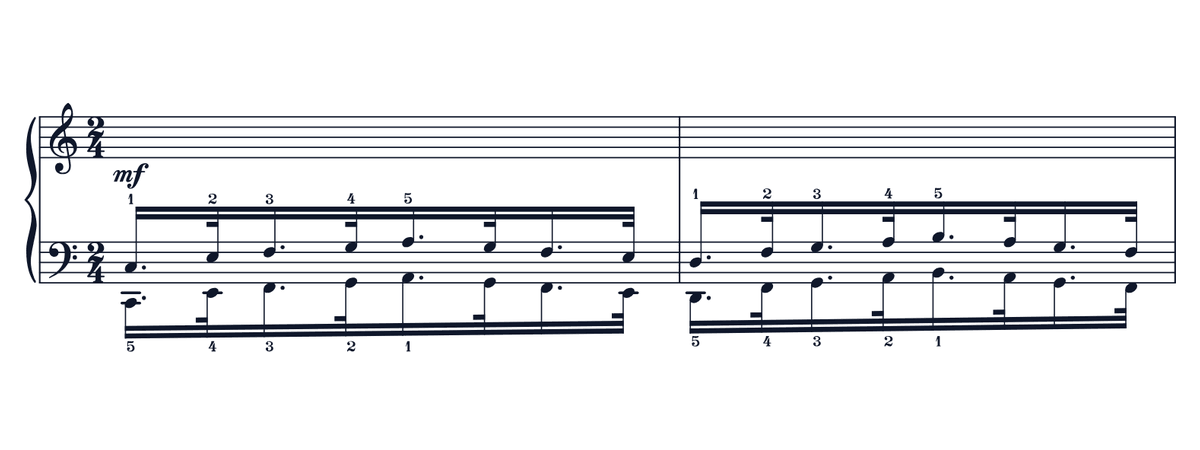
For an uneven passage, it rewrites those bars as a drill such as dotted rhythms and judges you on it
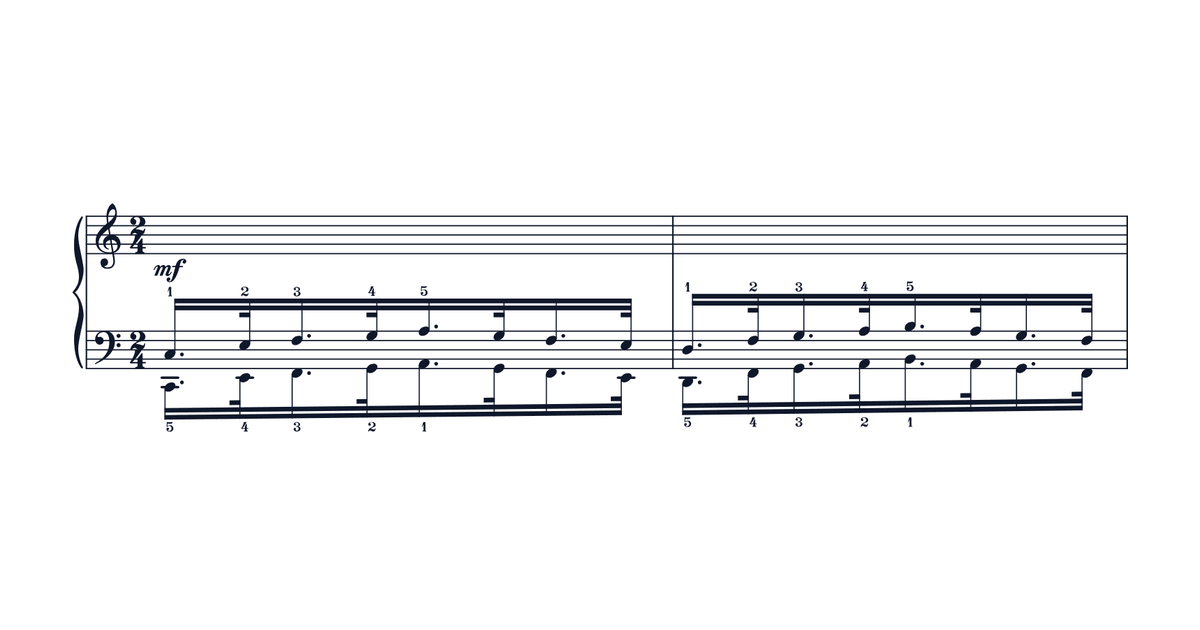 Dotted rhythm practice: how to even out uneven passageworkEven out fast scales and passagework with dotted and reverse-dotted rhythms: score examples, audio clips, step-by-step practice order, and how to try it in Virtu.
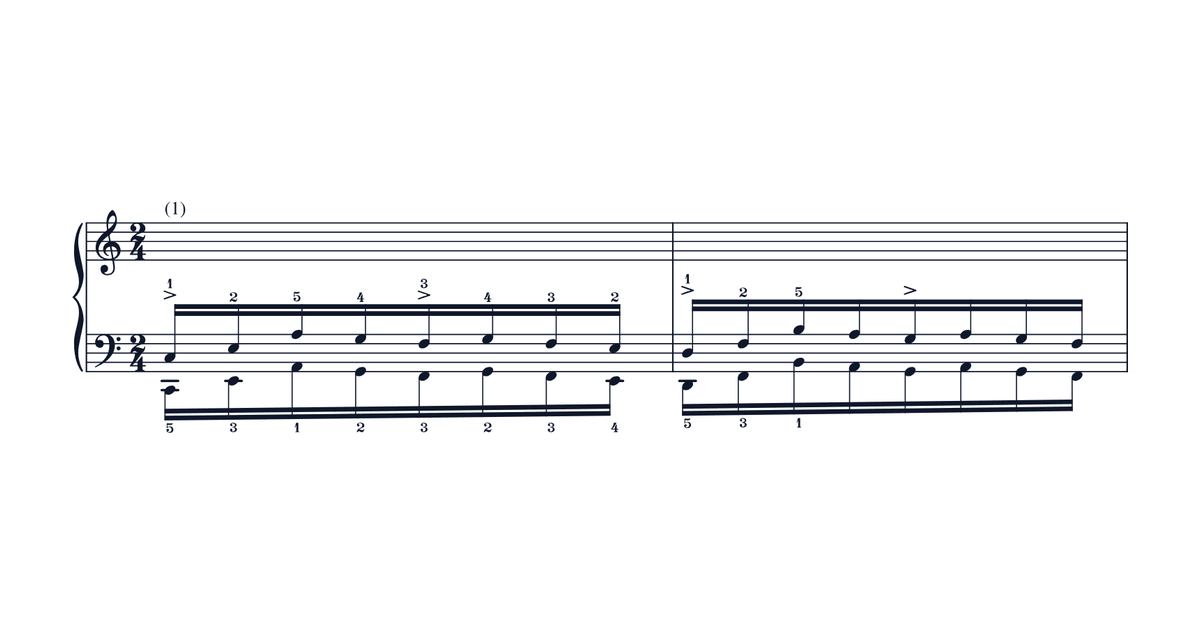 Shifting accents: how to make every note of a fast passage ring clearlyUse shifting accents when weak fingers disappear or the thumb thumps in fast passagework: group in fours or threes and rotate the accent across every note, with score examples, audio clips, and Virtu.
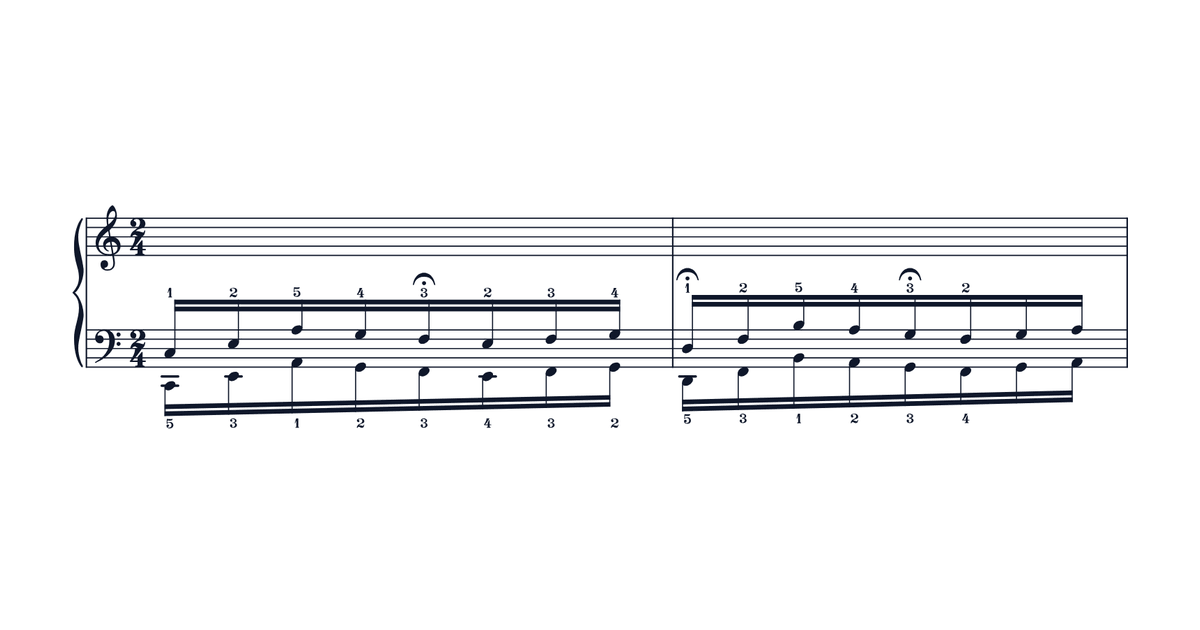 Short bursts: stop on the beat to bring fast passagework up to tempoUse short-burst practice when fast scales or runs fall apart at speed: play one beat at tempo and stop on the next downbeat, then two beats at a time, with score examples, audio clips, and Virtu.
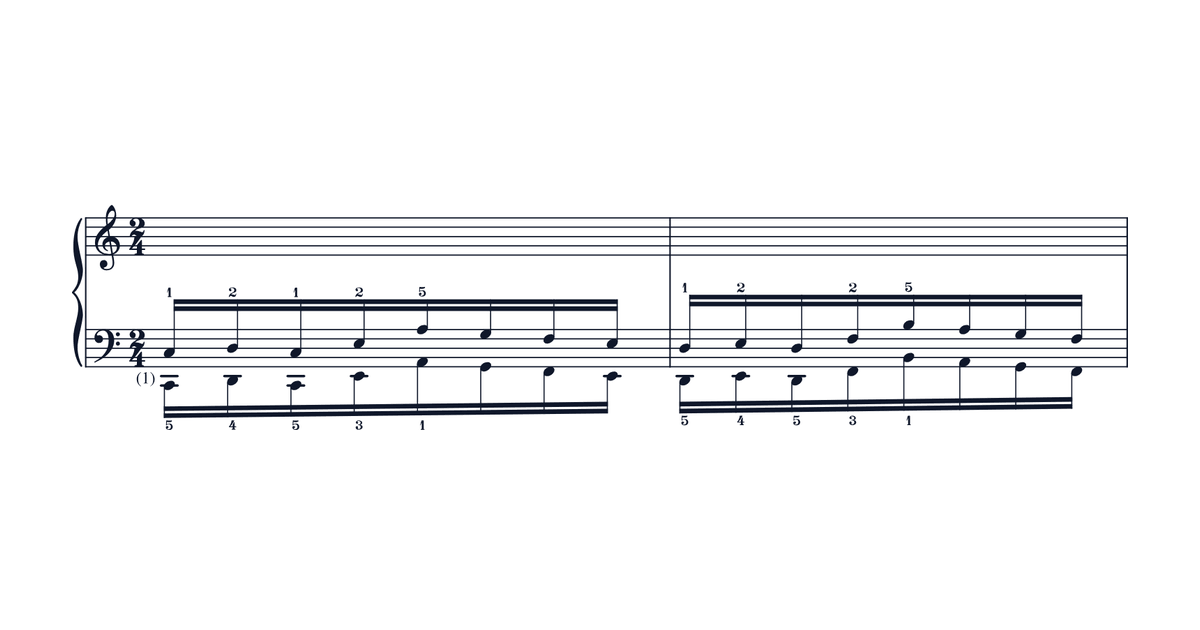 Alternating tempos: carry slow-practice clarity over to target speedUse alternating-tempo practice for passages that sound clean slowly but turn uneven or unsteady at speed: how to switch between two set tempos, with audio examples and in Virtu.
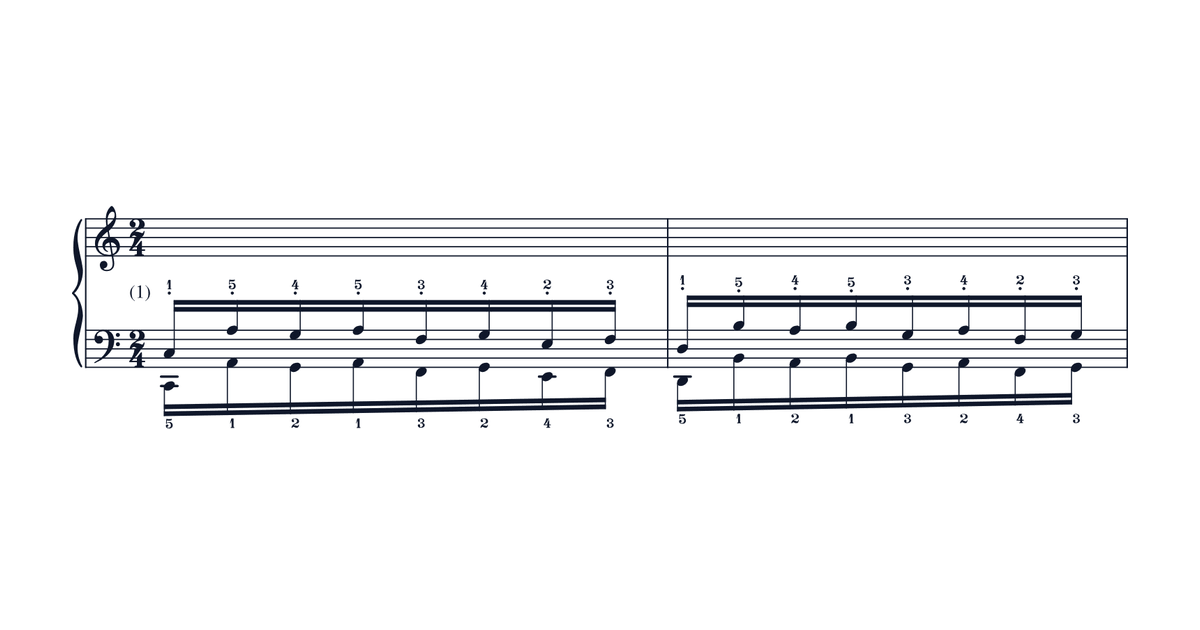 Staccato practice: use a quick release to make fast passages light and evenUse staccato practice for heavy, smudged runs or written staccato that blurs together: how to release each key cleanly and in what order, with score examples, audio clips, and in Virtu.
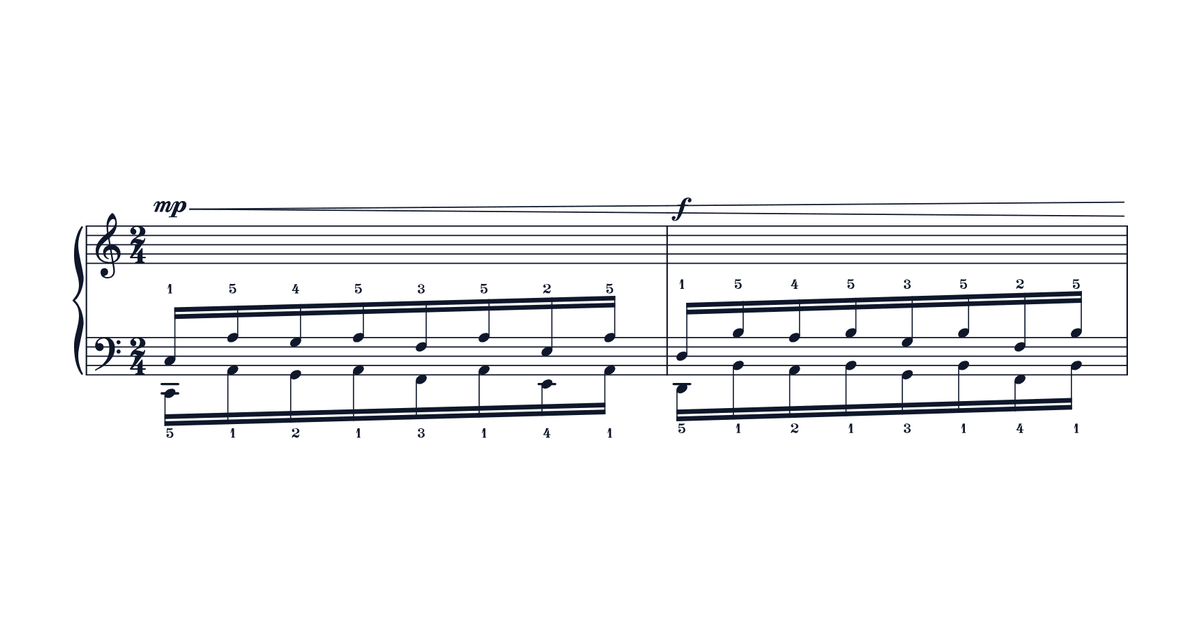 Changing dynamics: shape a passage with crescendo and diminuendo to even out your touchUse changing-dynamics practice for runs with bumpy tone or flat dynamic markings: play once in a crescendo and once in a diminuendo, with score examples, audio clips, and in Virtu.
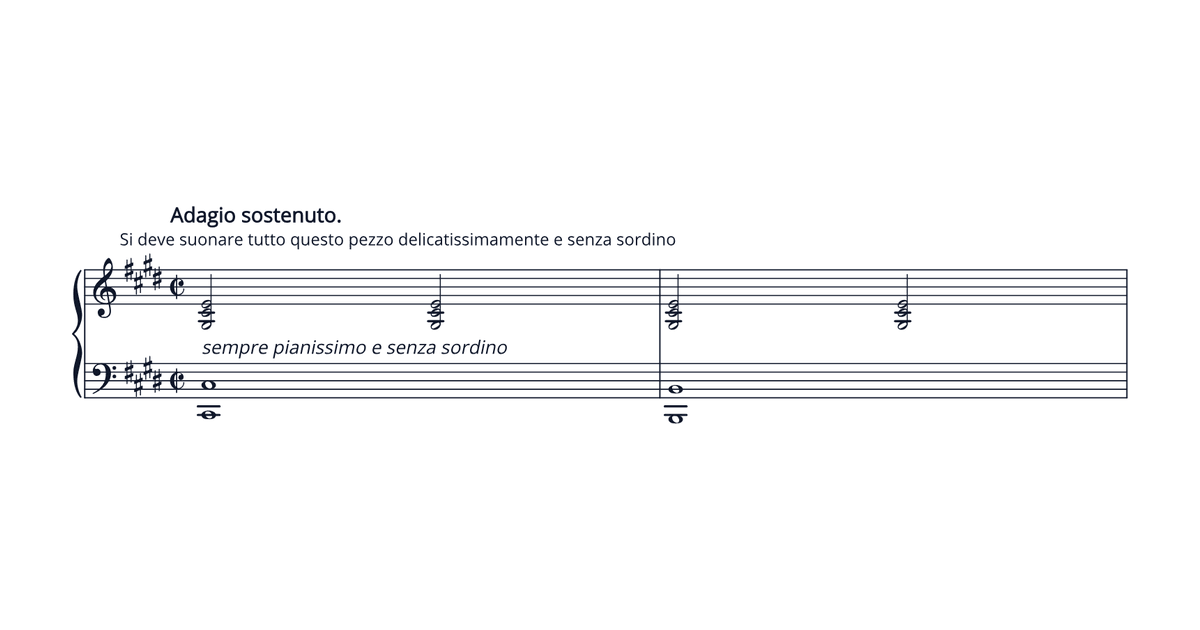 Blocked chords: even out broken chords and Alberti bass with chord blockingUse blocked-chord practice for uneven broken chords like Alberti bass and arpeggiated figures: gather each beat into a single chord, with score examples, audio clips, and in Virtu.
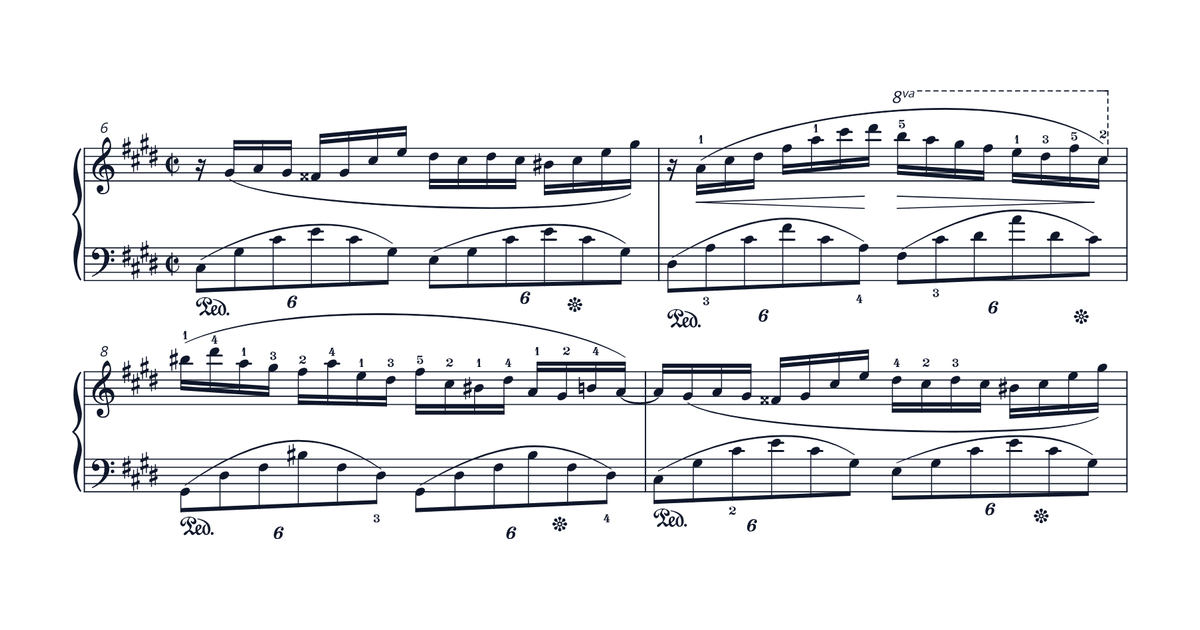 How to play fast piano songs: raising the tempo without tangled fingersWhy fingers tangle when you push the tempo, and how to fix it: group notes into single motions, let the wrist and forearm lead, and step the metronome up gradually.
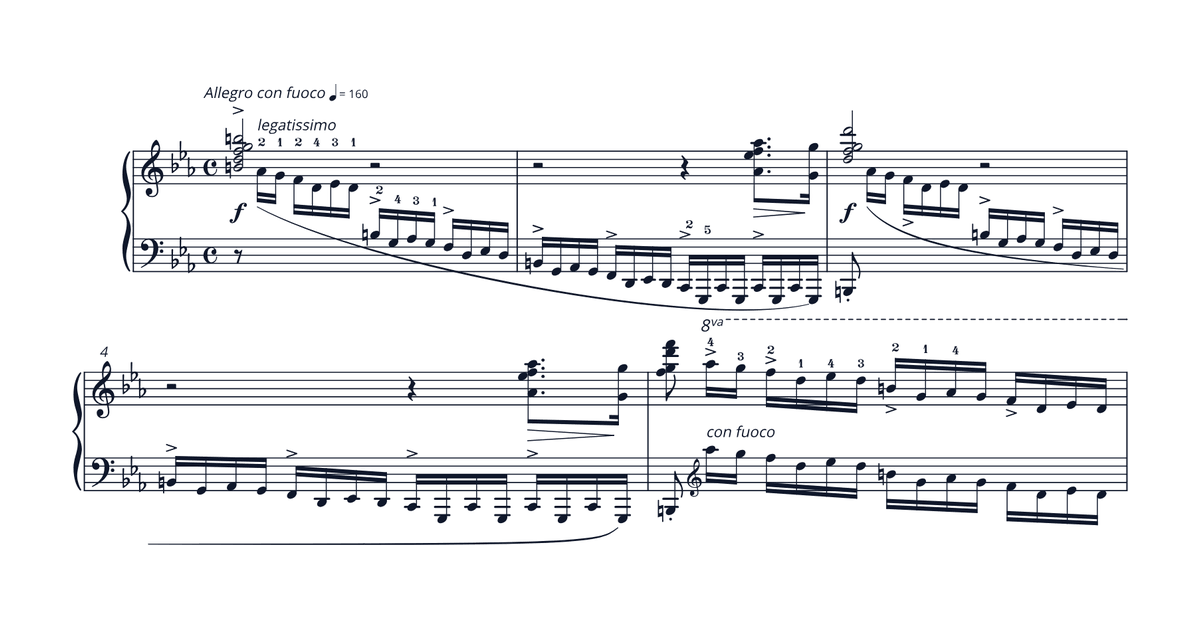 How to practice difficult piano passages without starting overStop restarting from bar 1: isolate the smallest spot that breaks, fix one technical issue at a time below the tempo where it falls apart, and splice it back into context.
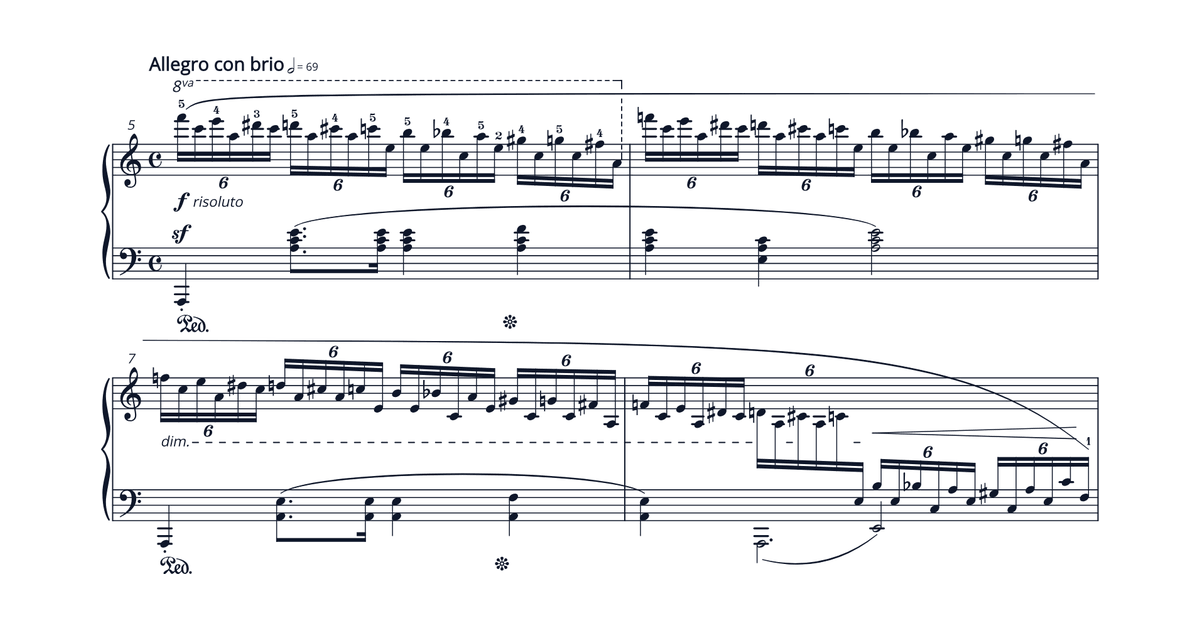 How to relieve piano hand tension: why your arms lock up on fast passagesUnderstand why your forearms ache and your shoulders creep up during fast scales and passagework, and learn four practical fixes: keybed release, forearm rotation, note grouping, and bench setup.
Step 5
Memory
When you stop halfway without the score
In Virtu
Finds where you broke off from memory and has you firm up just those bars with the score
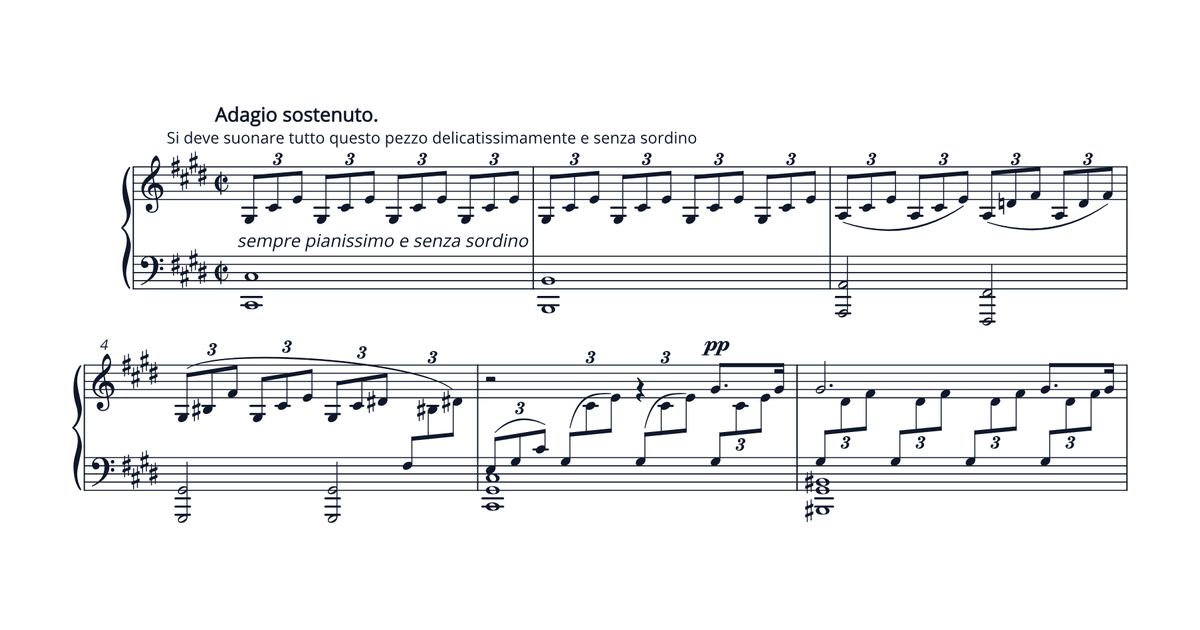 How to memorize piano music fast, so it holds up on stageRelying on muscle memory alone sends you back to bar 1 after a single slip. Learn the harmonic framework and structural landmarks, test your memory cold the next day, and see how Virtu trains playing from memory.
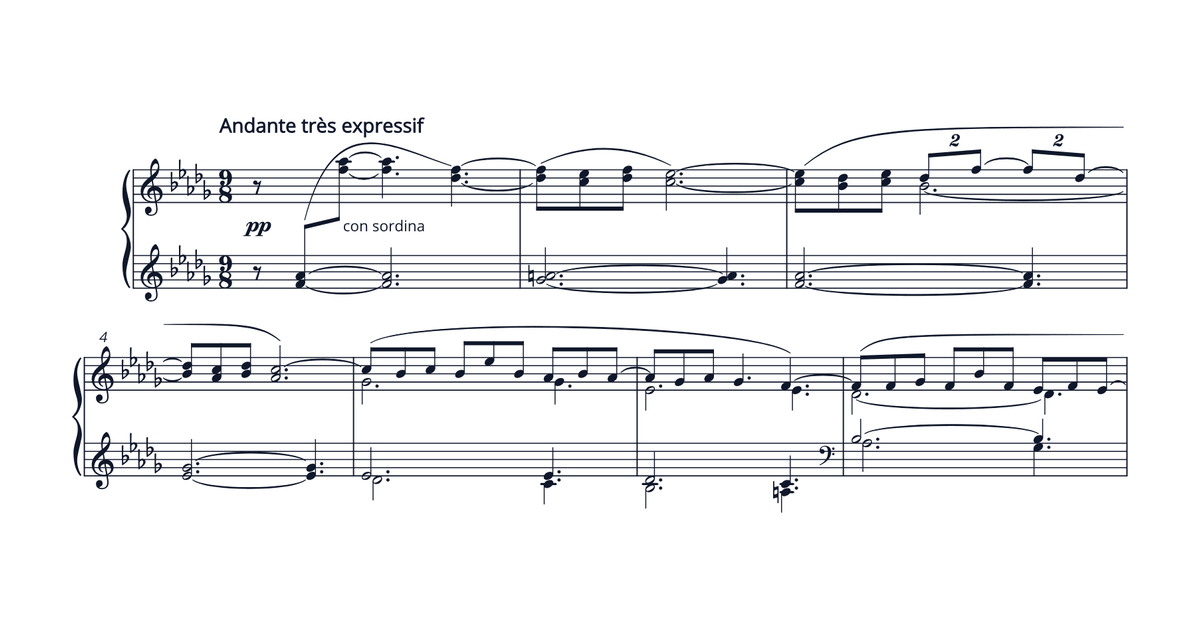 Spaced repetition for piano: bring passages back before they fadeYou don’t need to play every bar of every piece every day. Leave solid passages alone, return after a gap, and test them cold: the steps, common mistakes, and how Virtu schedules reviews.
Step 6
Playing through
Start to finish in one run, steady even when nervous
In Virtu
In the Piece exam you play the whole piece in one run, and wherever you stop comes first in your next practice
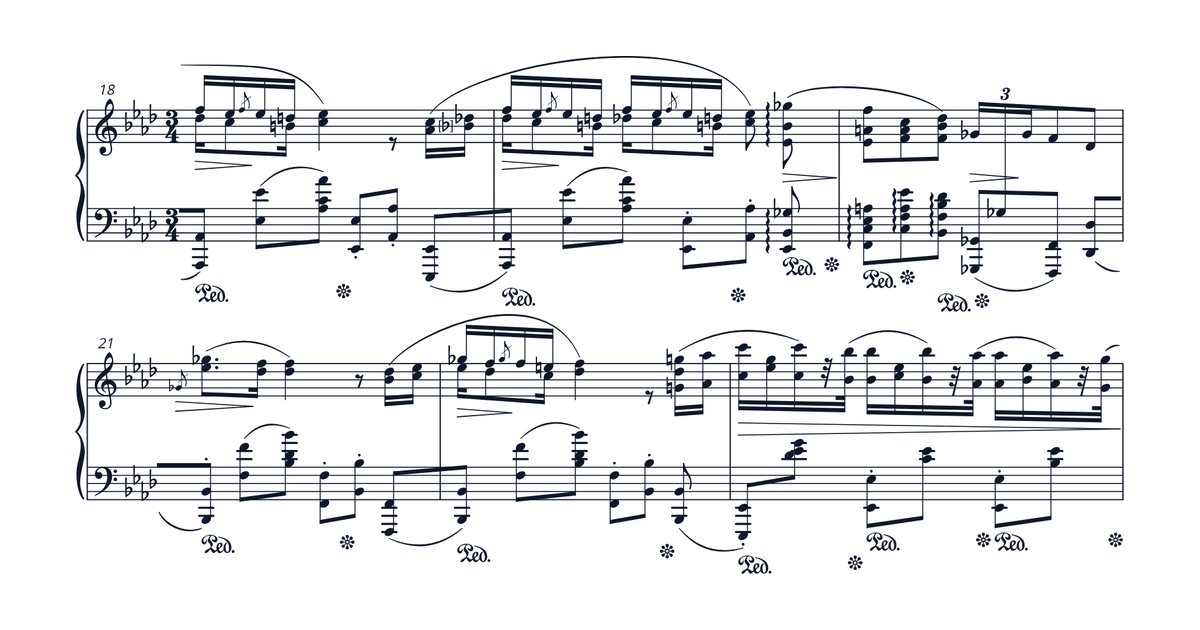 How to stop hitting wrong notes on piano: 4 drills for cleaner playingWhy wrong notes creep in when you bring a piece up to tempo or hit record, and four practical drills that fix them: eyes ahead, key release, dotted rhythms, and silent landing.
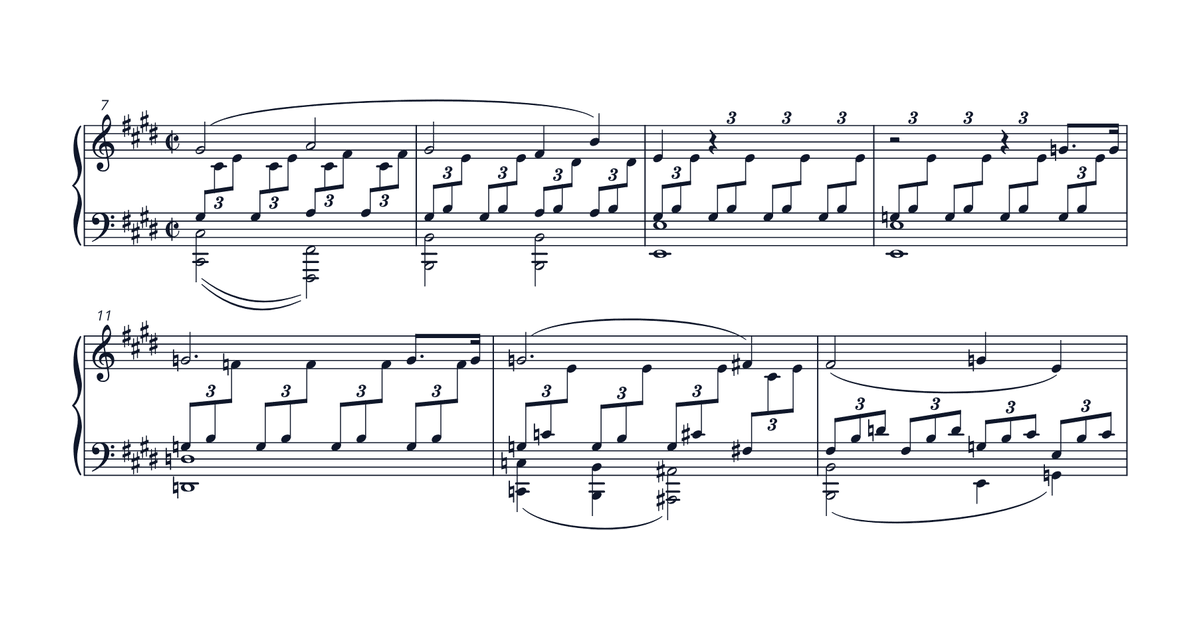 Cold-run piano practice: why your first take of the day reveals what truly stuckYour first un-warmed take of the day tells you far more about lasting progress than your best take after twenty repetitions. Learn how to run a daily cold check, avoid common traps, and track first takes in Virtu.
Habits for every step
- How often should you practice piano, and for how long each day?Five or six focused sessions a week beat one marathon weekend session every time. Find the right daily duration for your level, how to structure a single session, how to balance your week, and how Virtu schedules your passages.
- Piano self-study routine: how to structure a 30-minute daily practice sessionStop losing half your practice time wondering what to play. Use this four-part 30-minute routine for self-taught pianists: targeted warm-up, micro-looping 2–4 trouble bars, repertoire run-through, and free play.
- Piano practice guideA practical, step-by-step way to find difficult piano passages, slow them down, vary how you practice them, and plan useful reviews.
- Recording yourself playing piano: how to listen back and what to listen forHear the details you miss while playing: how to record your piano practice, listen back with a single musical focus, avoid common pitfalls, and replay and analyze every take in Virtu.
- How MIDI piano practice feedback works, and how to use itWhat a digital piano sends over MIDI, how an app aligns that data with the score, and how to turn note-by-note feedback into targeted practice.
- How to connect a digital piano to a phone or iPad over MIDIIdentify the right port on your digital piano, choose the right cable for a USB-C or Lightning device, verify the connection in the app, and troubleshoot doubled audio or unresponsive keys.
- How many keys are on a piano? 88 vs. 61 and 76 keys, and which to chooseA standard piano has 88 keys: 52 white and 36 black. Learn how 61- and 76-key keyboards compare, and what key count and action type to choose when you start.
- MusicXML for piano practice: from score file to practiceHow MusicXML differs from PDF and MIDI files, where to find digital scores, what notation details to verify before importing, and how to bring a score into Virtu and start practicing.
Virtu keeps track of the steps
From hands separate to the stage, it tells you when you’re ready for the next step