From first notes to the stage, practice for every step
Practice methods in the order you learn a piece. Start with the step you’re on.
Step 1
Reading the score
A new piece: get the notes, fingering, and rhythm into your hands
In Virtu
Choose Learn from the start and each bar is played for you first, then waits until you play the right notes
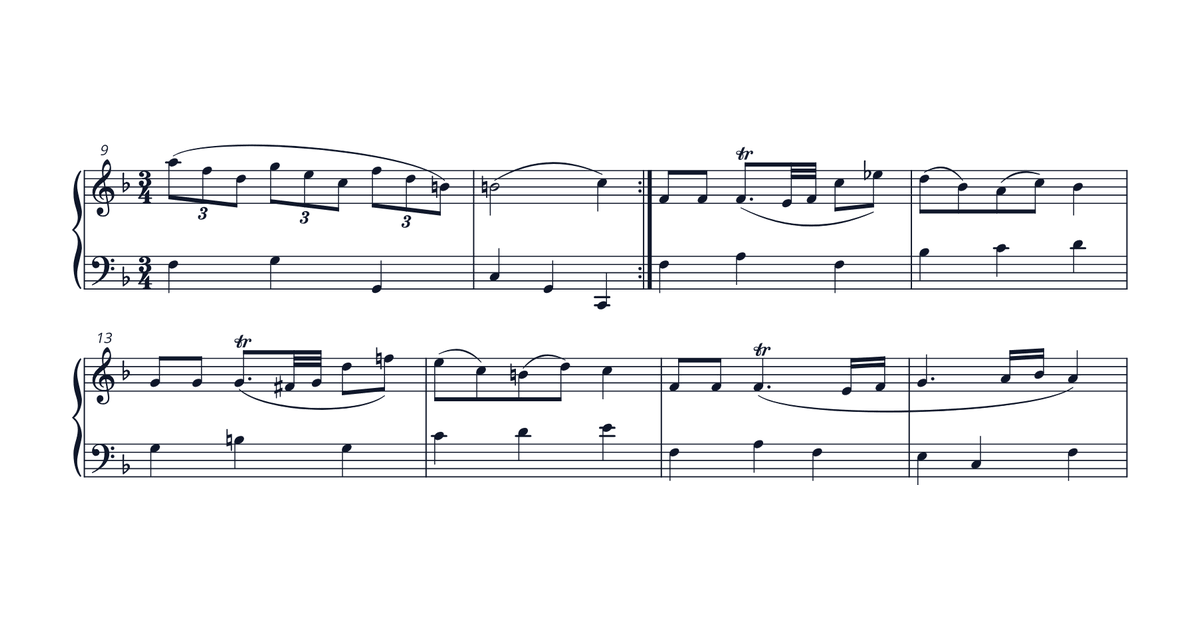 Piano pieces by difficulty: classical repertoire ranked from easy to advancedClassical piano pieces ranked 0–10 by difficulty, with Henle and method-book equivalents, the two hardest bars of each, and how to pick your next piece.
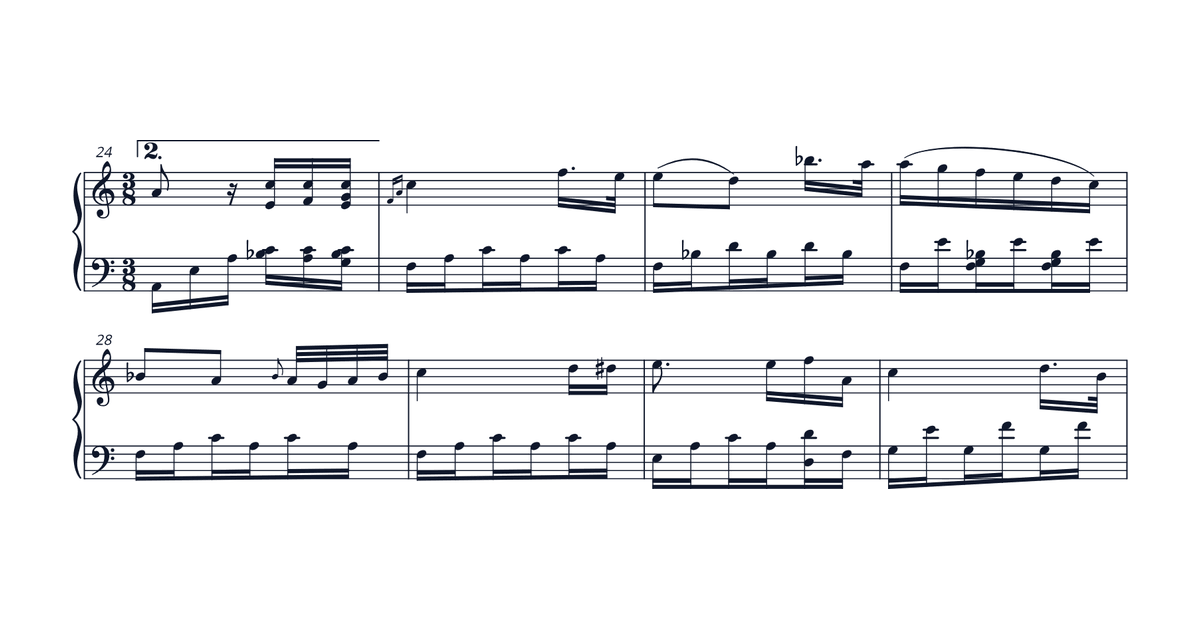 How to play Für Elise on piano: difficulty and the four hard spots, section by sectionThe full Für Elise is early intermediate (Virtu 5, Henle 3); its famous theme suits late beginners. Notes, fingering and fixes for the four hard spots.
 How to improve piano sight-reading: read new music without stoppingRead easy new music for 10 minutes a day and never stop for a slip. Learn the 30-second scan, landmark notes, intervals, and fixes for common stalls.
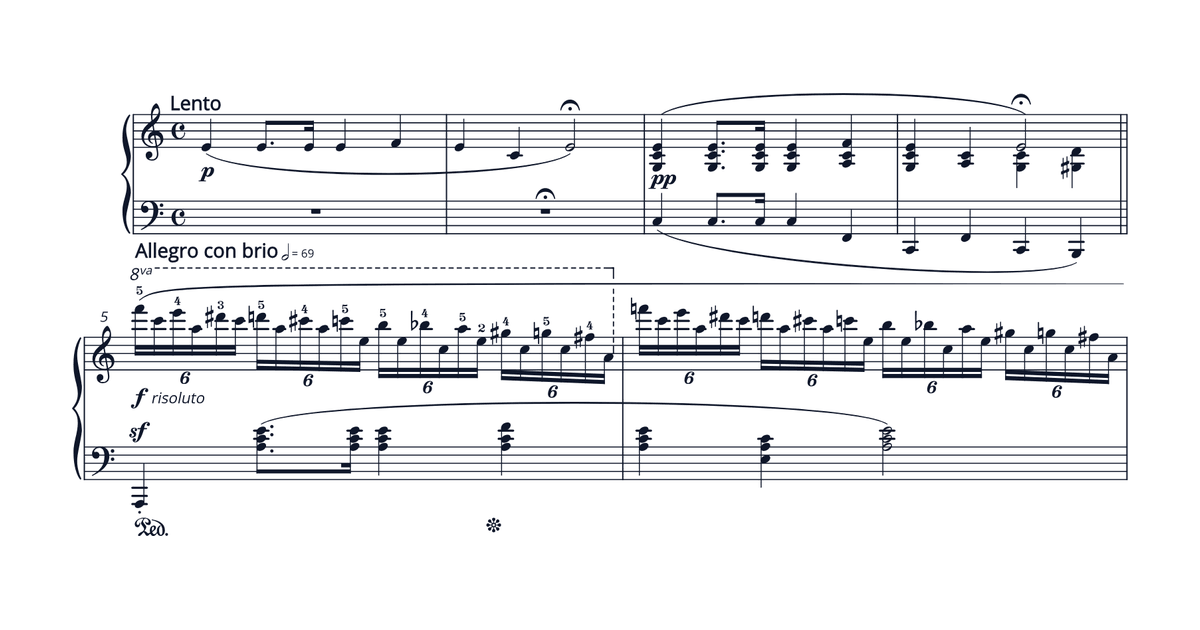 Fermata in piano music: what it means and how long to hold itA fermata means stop the beat and hold a note, chord or rest longer than written, about twice its value to start. How to judge it by ear and re-enter.
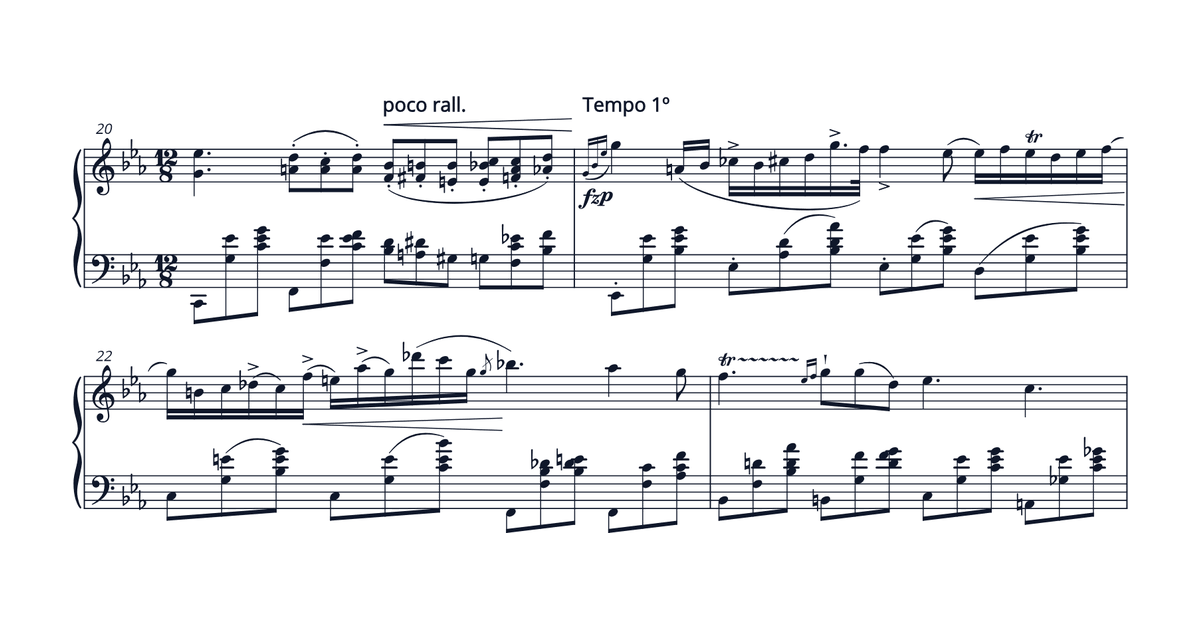 How to play a trill on piano, plus mordents, turns, grace notes, and rolled chordsA piano trill is two neighboring notes alternated evenly inside the beat. See where to start, which fingers to use, and how mordents and turns differ.
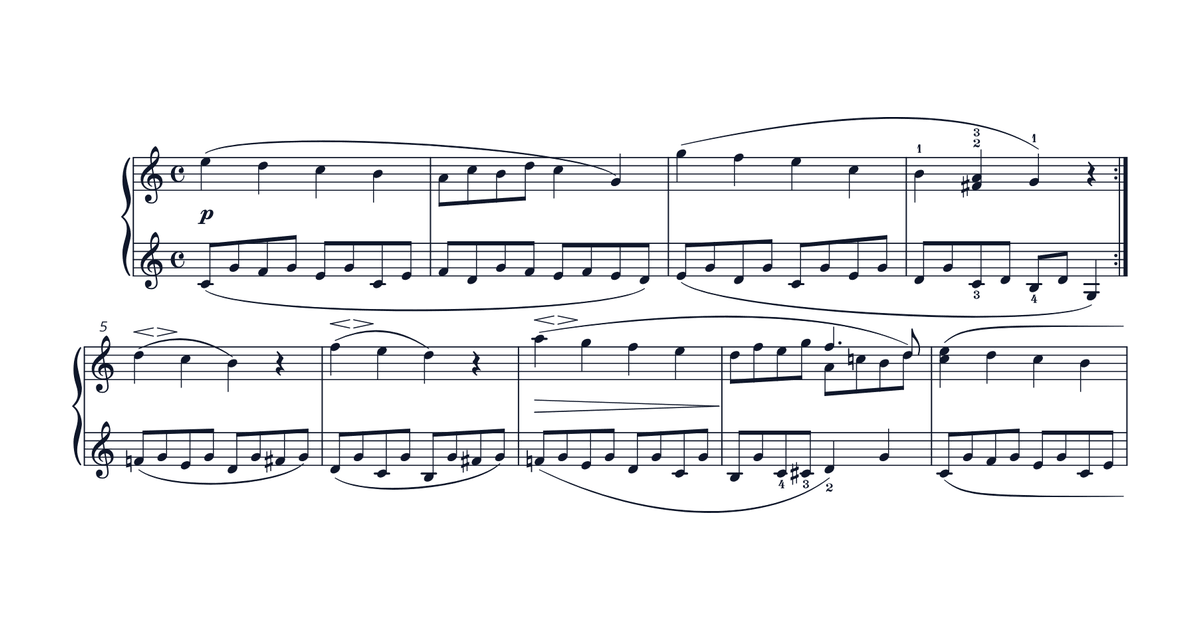 How to start learning piano as an adult: first steps and your first monthStart learning piano as an adult in 20 minutes a day: what to buy, how to sit, finger numbers, staff landmarks, and a four-week plan to a first piece.
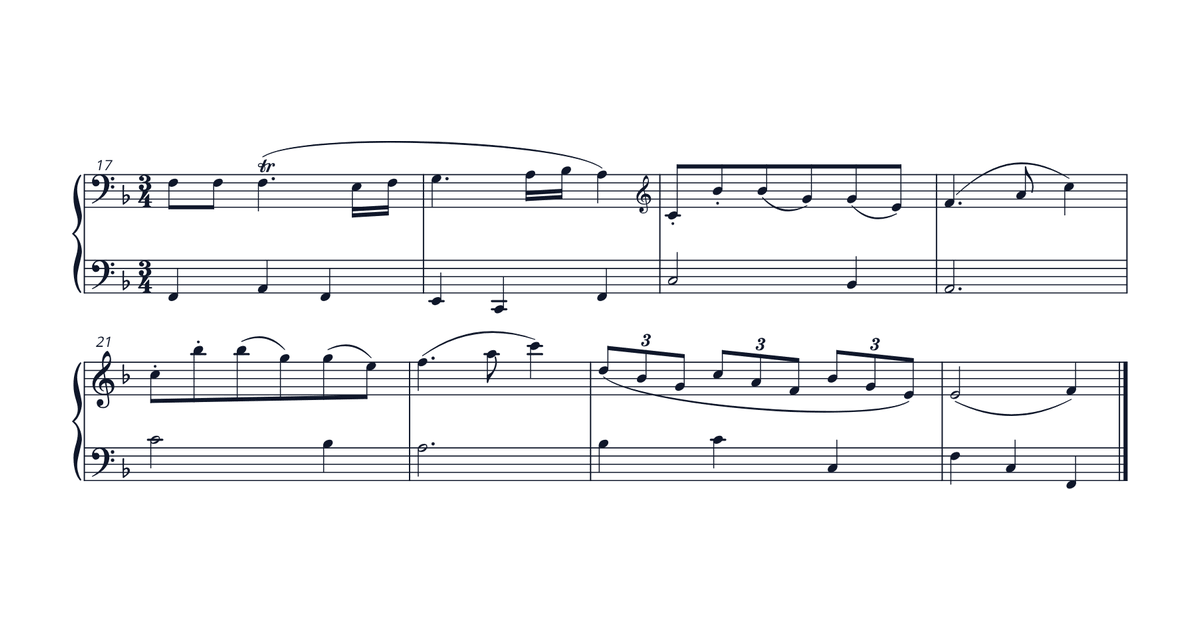 How to learn piano without reading music: listen first, then go bar by barYes, you can learn piano without reading music. Hum the piece first, find the keys one measure and one hand at a time, and let reading follow.
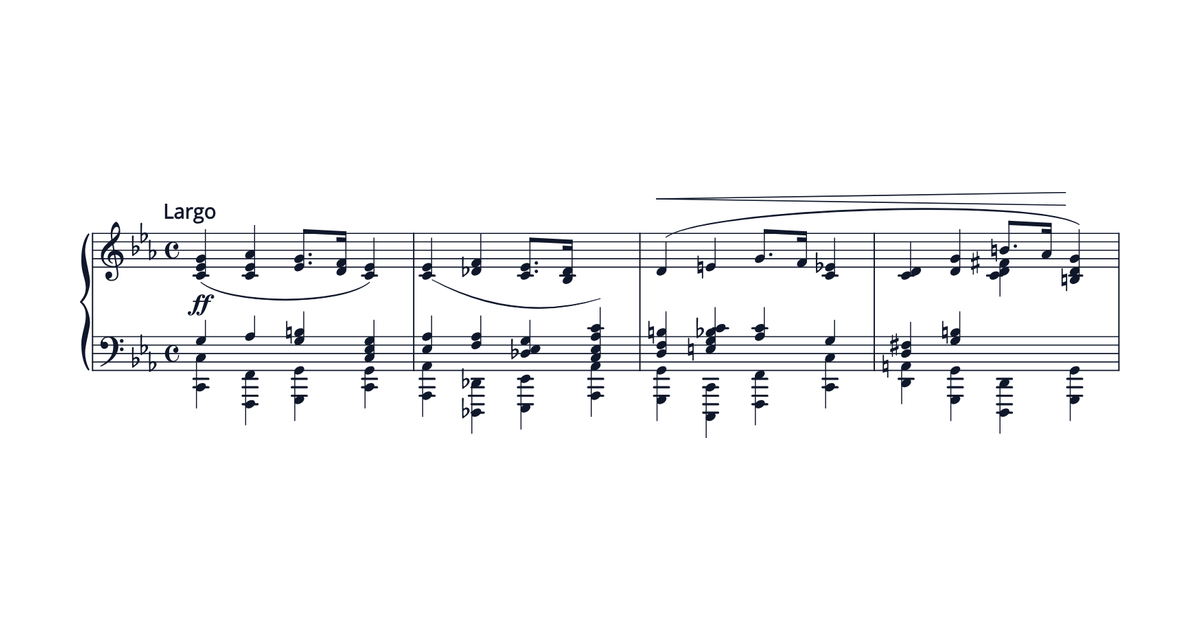 Easy Chopin pieces: 15 piano works in our catalog, ranked easiest firstStart Chopin with Prelude in C minor (difficulty 4) and Waltz in A minor (5): 15 pieces ranked easiest first, with hardest bars and free PDF scores.
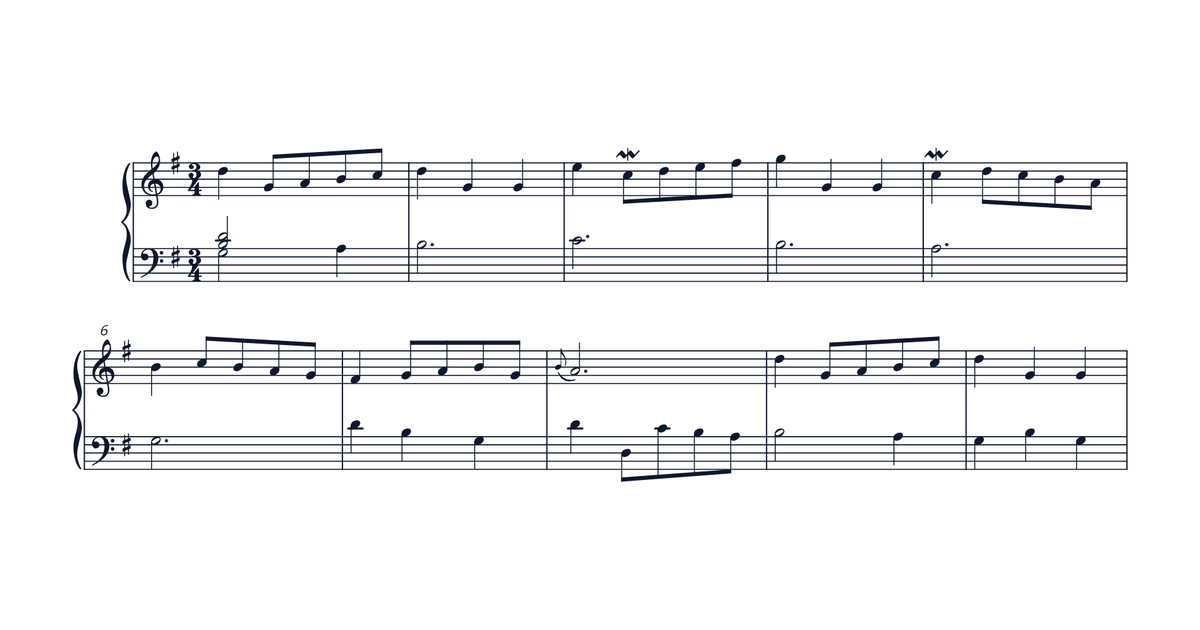
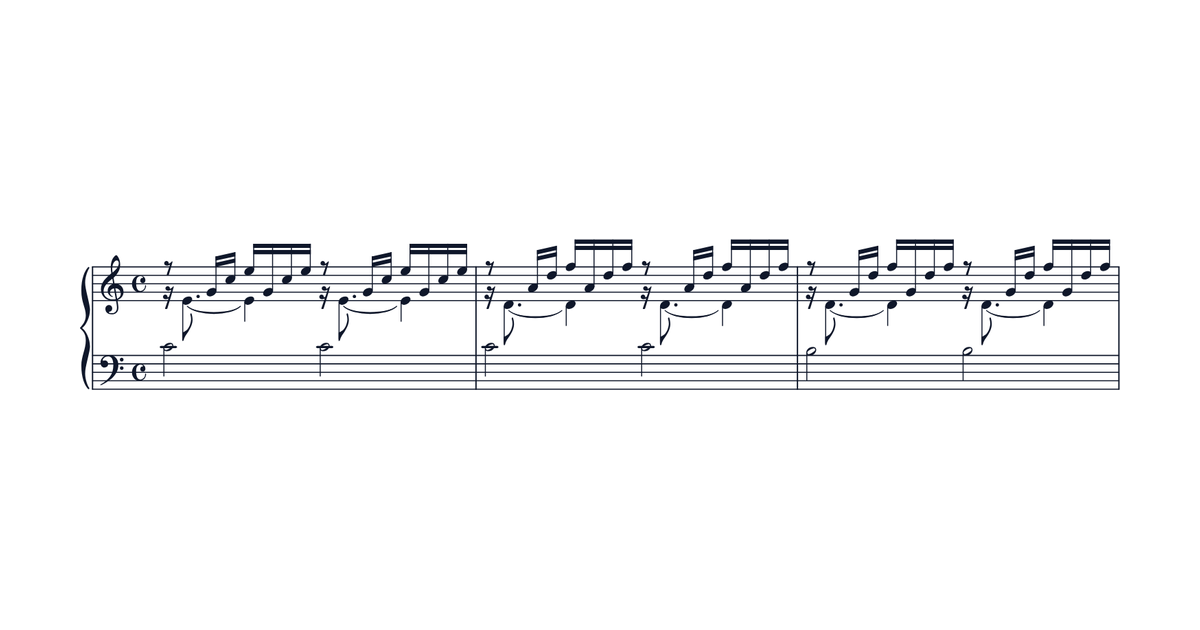 Easy Bach Piano Pieces: 14 Works Ranked from Easiest to IntermediateStart Bach with Minuet I BWV 822 and Prelude in C major BWV 846 (difficulty 2): 14 pieces ranked easiest first, with hardest bars and free PDF scores.
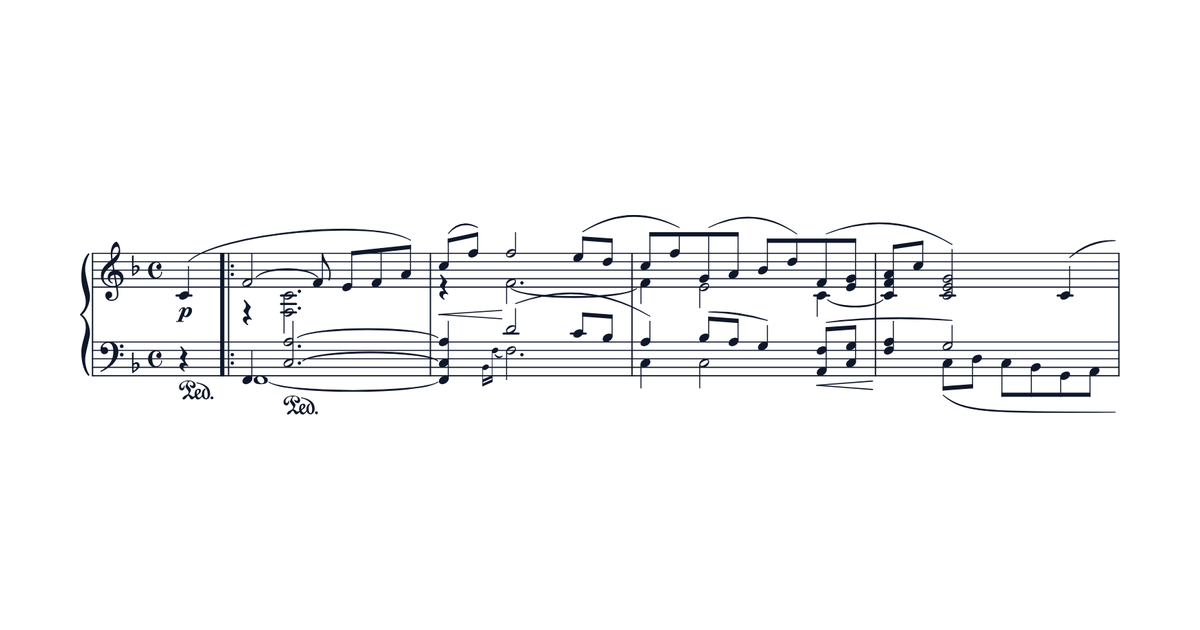 Easy Schumann pieces: 14 piano works in our catalog, ranked easiest firstStart Schumann with Soldiers' March (difficulty 3) and Melody (4): 14 piano pieces ranked easiest first, with hardest bars and free PDF scores.
Step 2
One hand at a time
Left and right apart, slowly, with the score
In Virtu
- Left hand
- Right hand
- Both hands
- Written tempo
- Memory
- Finishing
Once each hand passes on its own, hands-together practice opens
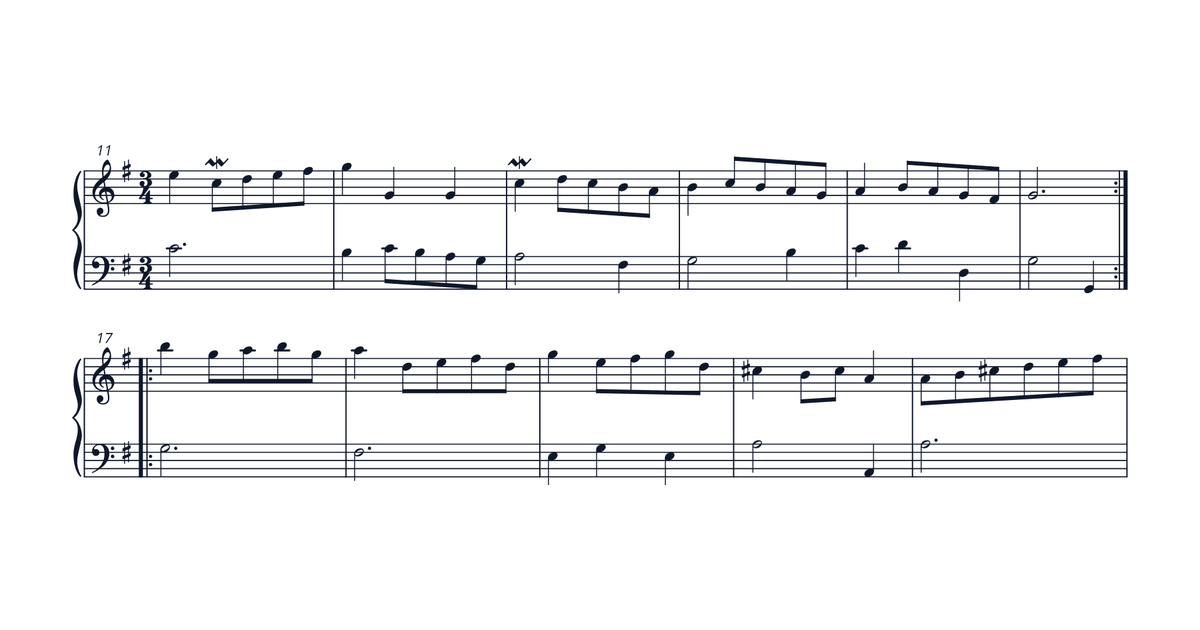 Hands-separate piano practice: when to split and when to combineWork 2 to 4 bars per hand, then join at the same slow tempo. Learn when to start hands together, how to fix stalls, and which left-hand drills help.
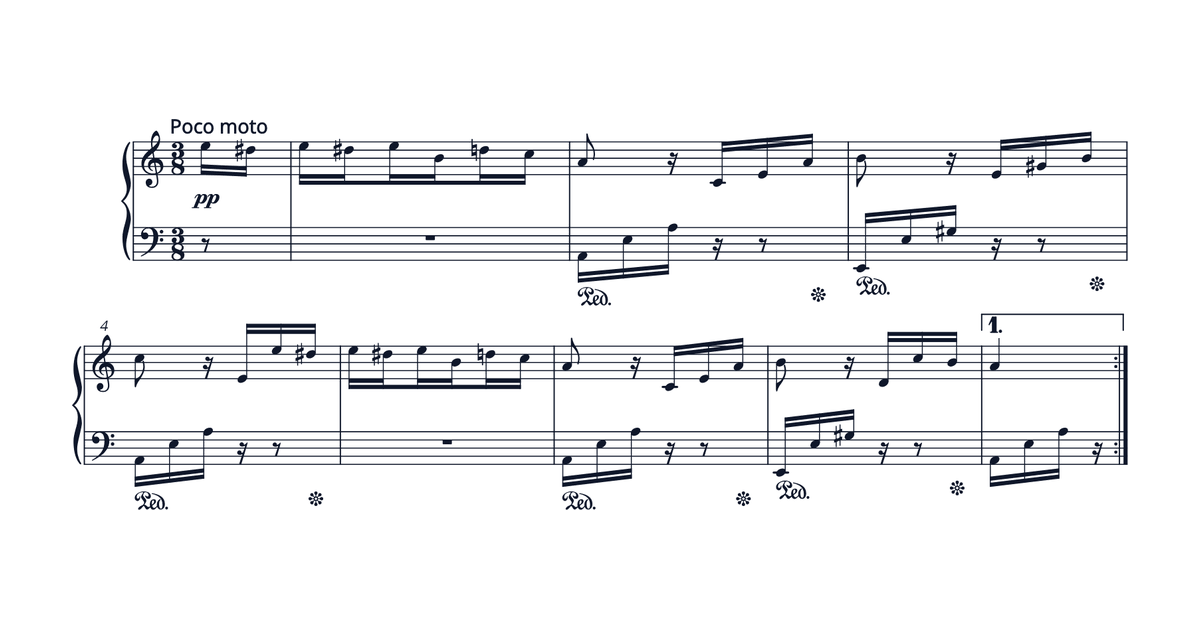 Piano finger independence: how to free your ring finger and pinky safelyFingers 4 and 5 lag because their lifting tendons are tied to their neighbors. Four short drills and three real passages teach them to play evenly.
Step 3
Both hands
When each hand works alone but together they stop
In Virtu
Points out the bars where one hand comes in late or the hands don’t land together
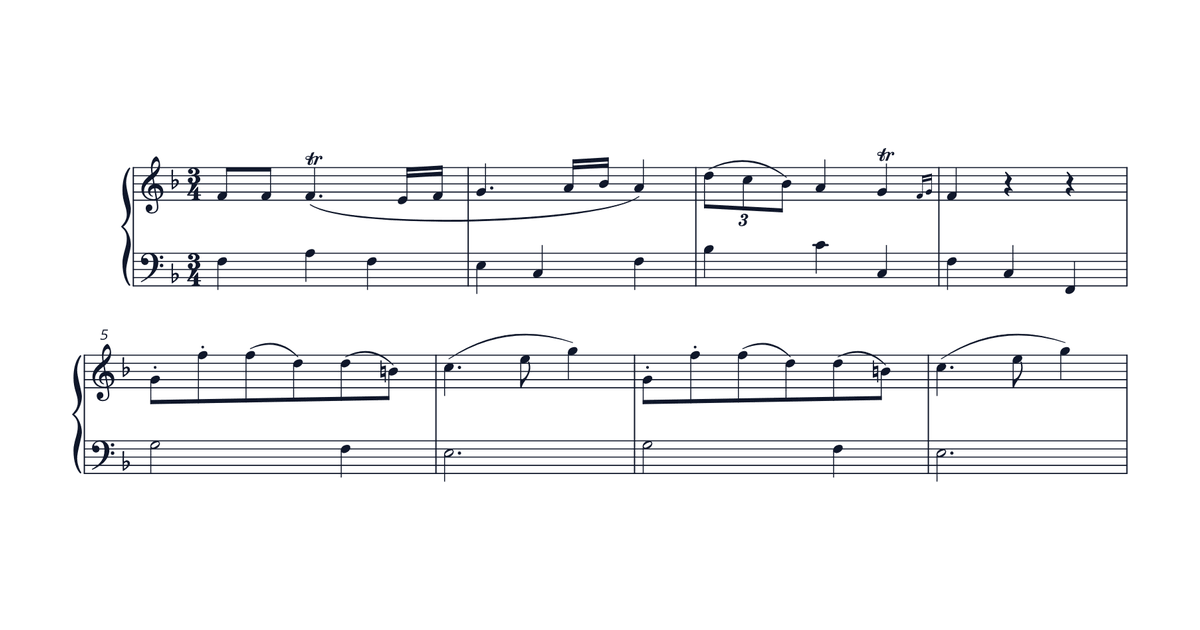 Piano hand coordination: how to play with both hands without freezingCan’t play piano with both hands? Why your hands freeze together, a four-step fix, beginner hand independence exercises, and examples from real pieces.
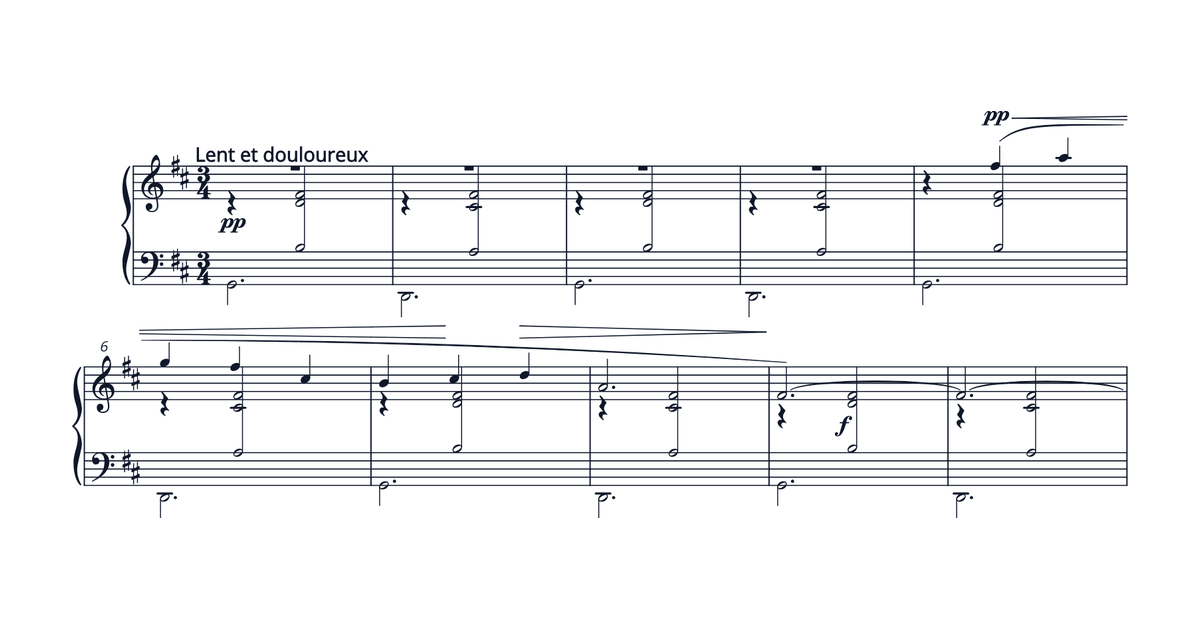 Metronome piano practice: how to play in time without freezing upCount subdivisions out loud, match one hand at a time to a sixteenth-note click, then thin the clicks to eighths, quarters and finally beats 2 and 4.
Step 4
Up to speed
When it works slowly but falls apart at speed
In Virtu
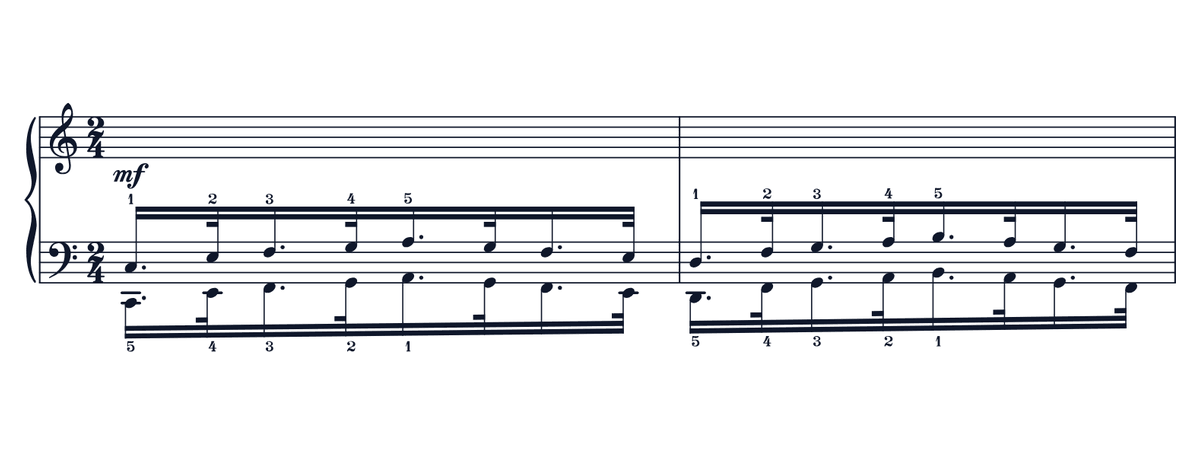
For an uneven passage, it rewrites those bars as a drill such as dotted rhythms and judges you on it
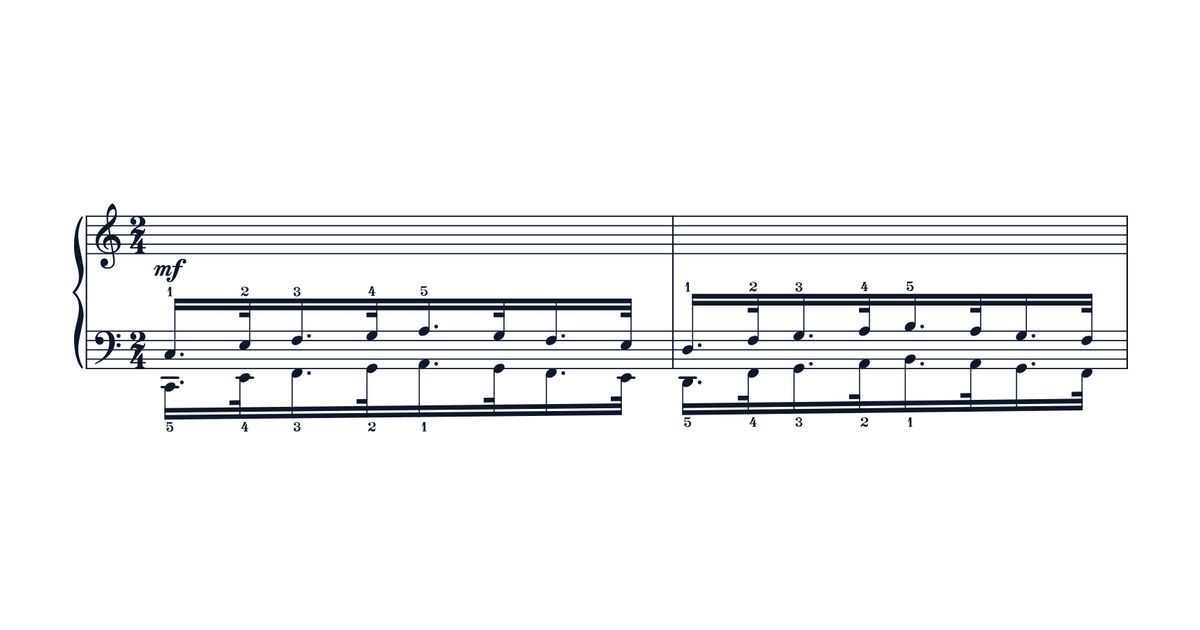 Rhythm practice on piano: even out fast runs with dotted rhythmsRhythm practice for fast piano runs: pair the notes, play them long–short, then short–long, then straight. Tempo, three real pieces, how to check it.
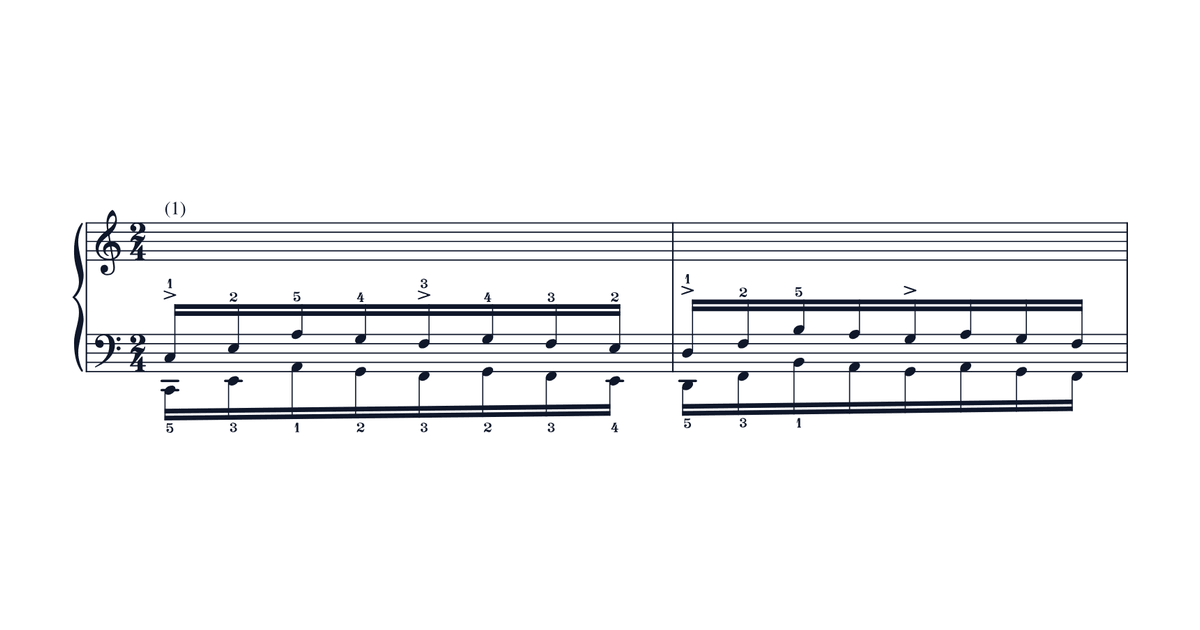 How to play evenly on piano: shifting accents for fast runsEven out a fast run by moving an accent through groups of four or three notes. Covers the three causes, the touch, scale exercises, and bars to try.
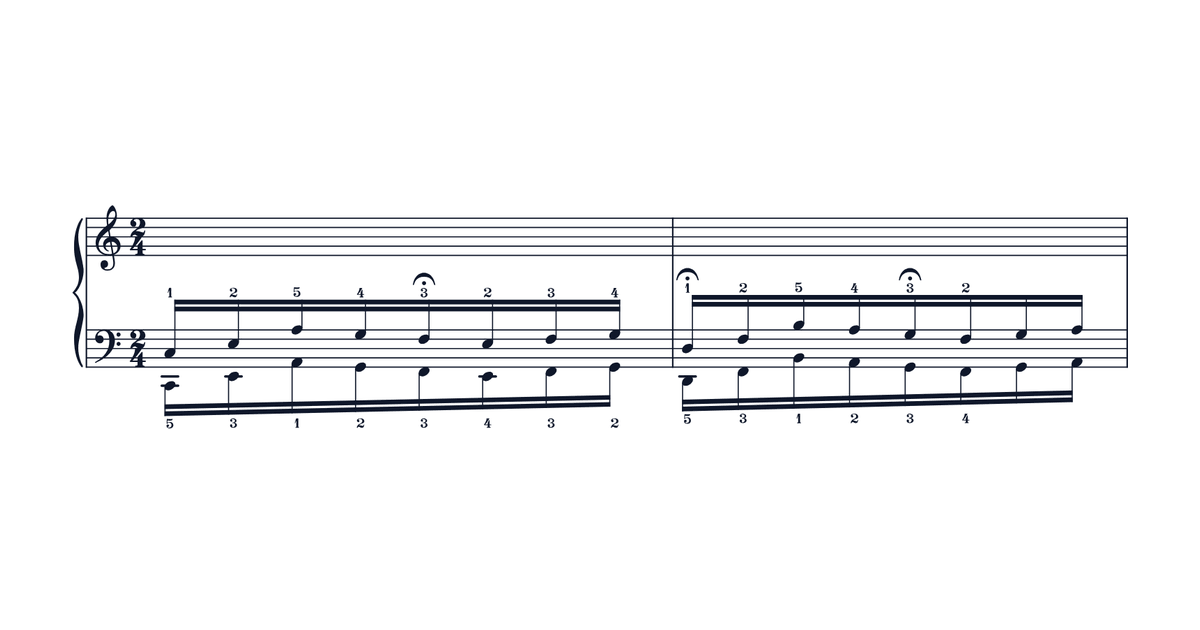 How to practice fast piano passages: chunking runs in short burstsChunk a fast run into one-beat bursts at tempo, widen to two beats, then play through. Self-checks and bars to try from Burgmüller, Bach and Mozart.
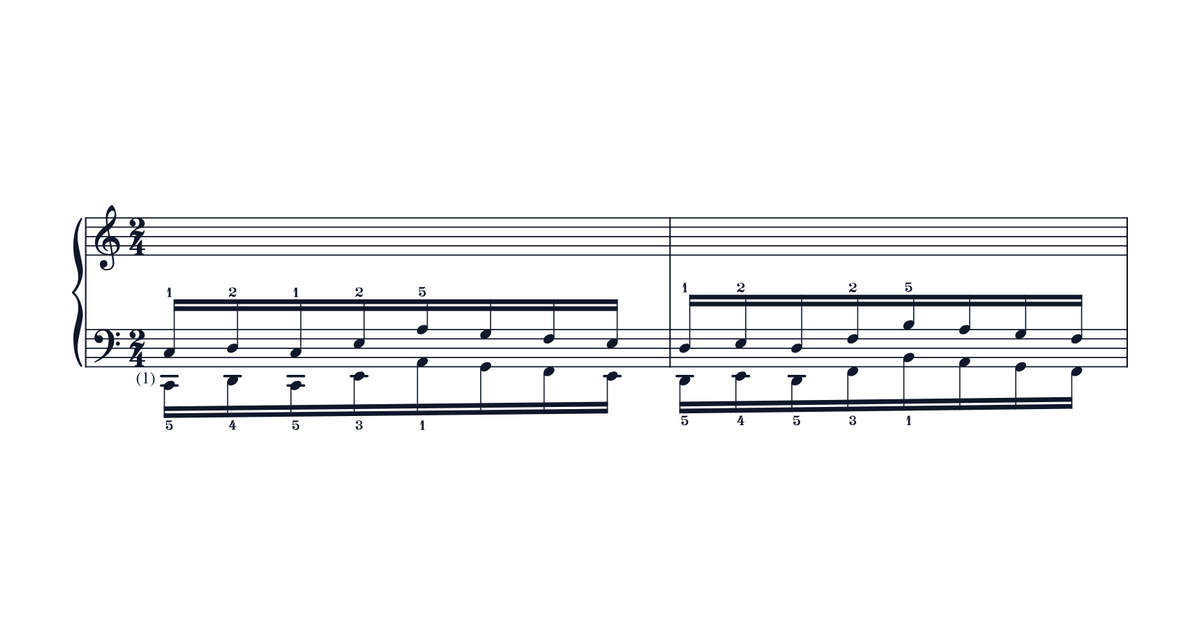 How to increase tempo on piano when slow practice won’t carry overAlternate 70% tempo and practice tempo across five takes on 2–4 bars, then step the metronome up about 5%. BPM examples and fixes for when it blurs.
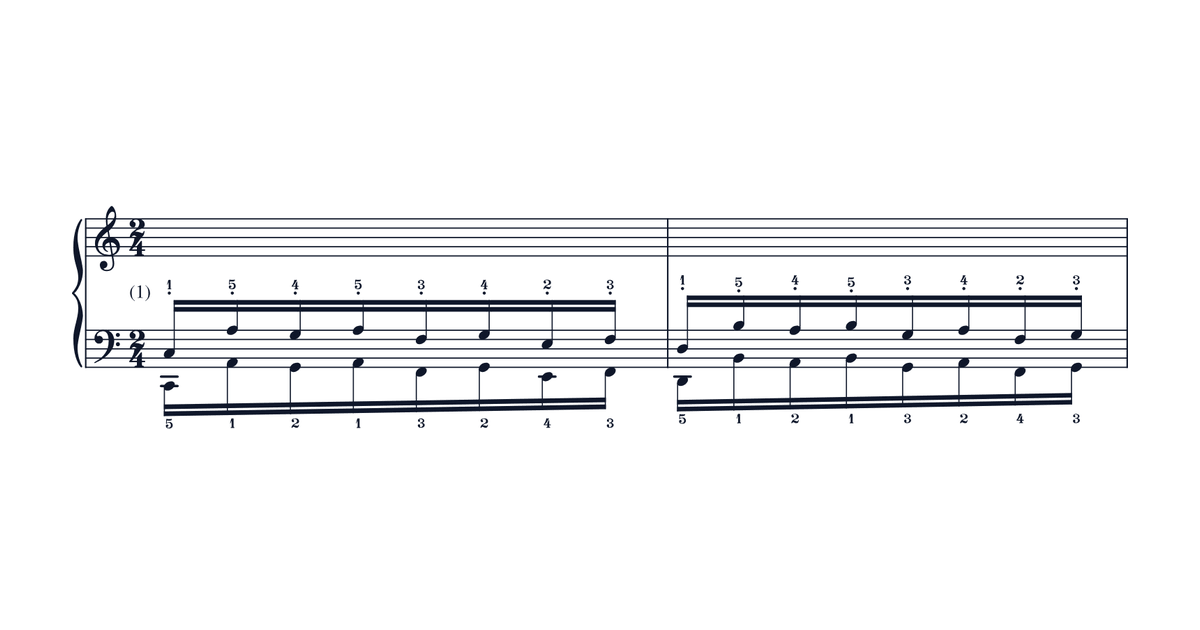 How to play staccato on piano: finger, wrist, and arm touch, plus a drill for heavy runsPiano staccato comes from a quick release, not a hard hit. Learn finger, wrist, and arm touch, what each sign means, and a drill for heavy runs.
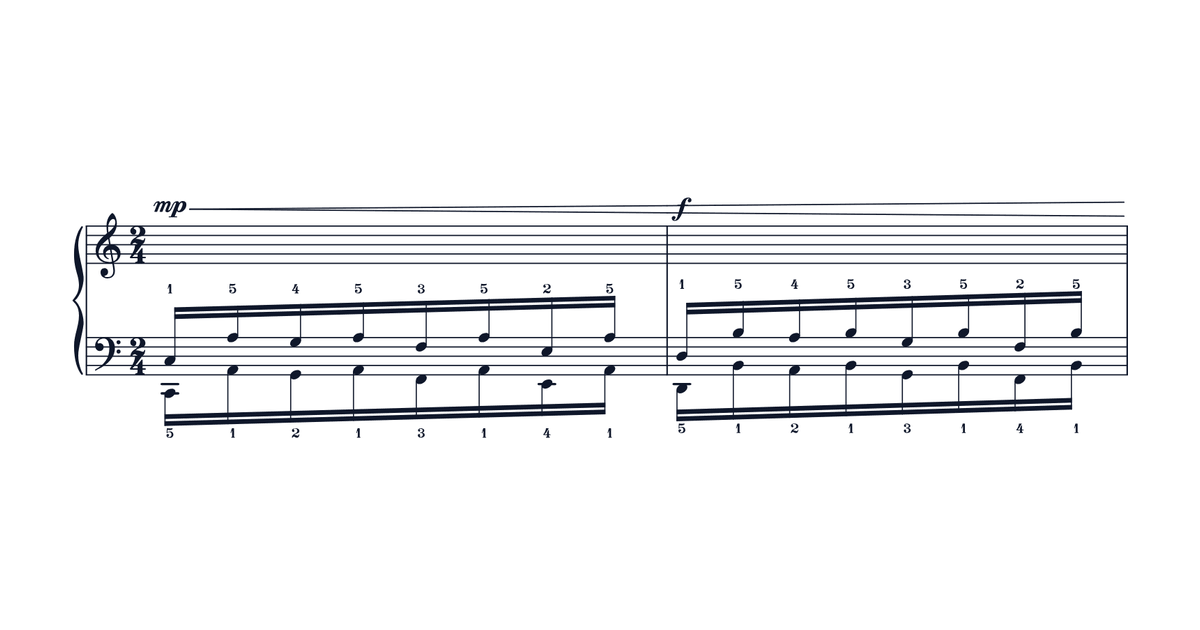 How to play piano dynamics when every note comes out the same volumePiano volume comes from key speed, not force. Play a real p and f, pace a crescendo and diminuendo, and even out bumpy runs with a two-pass drill.
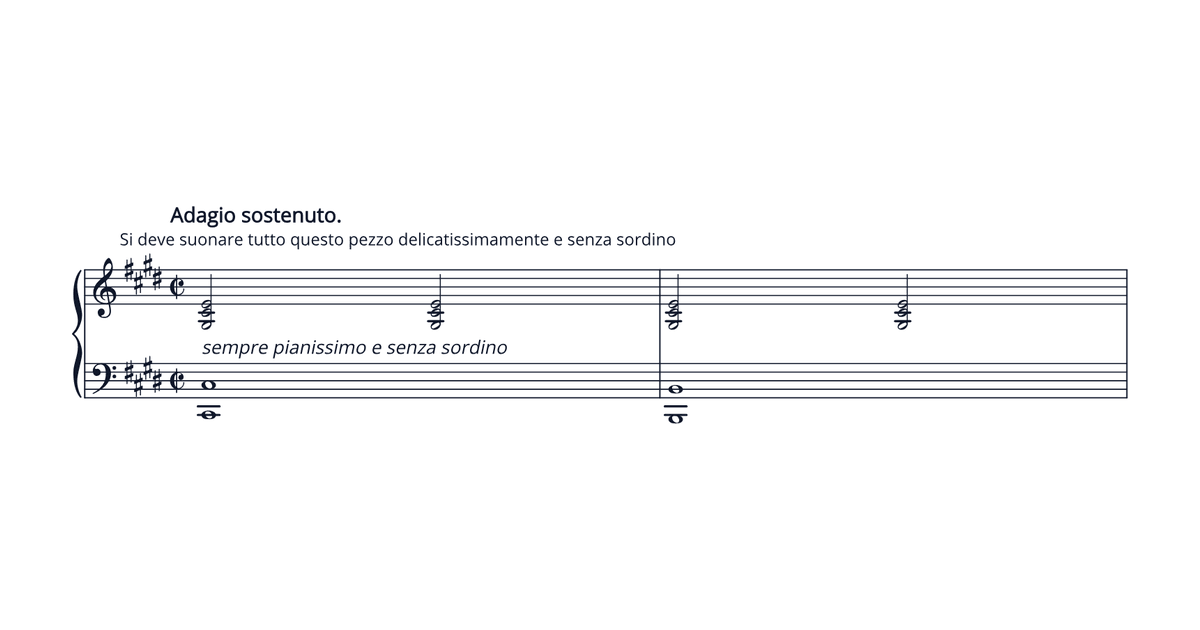 Arpeggio practice on piano: how blocking chords evens out broken chords and Alberti bassEven out piano arpeggios and broken chords: block each beat or hand position into one chord first. Worked bars from Mozart, Beethoven and Bach.
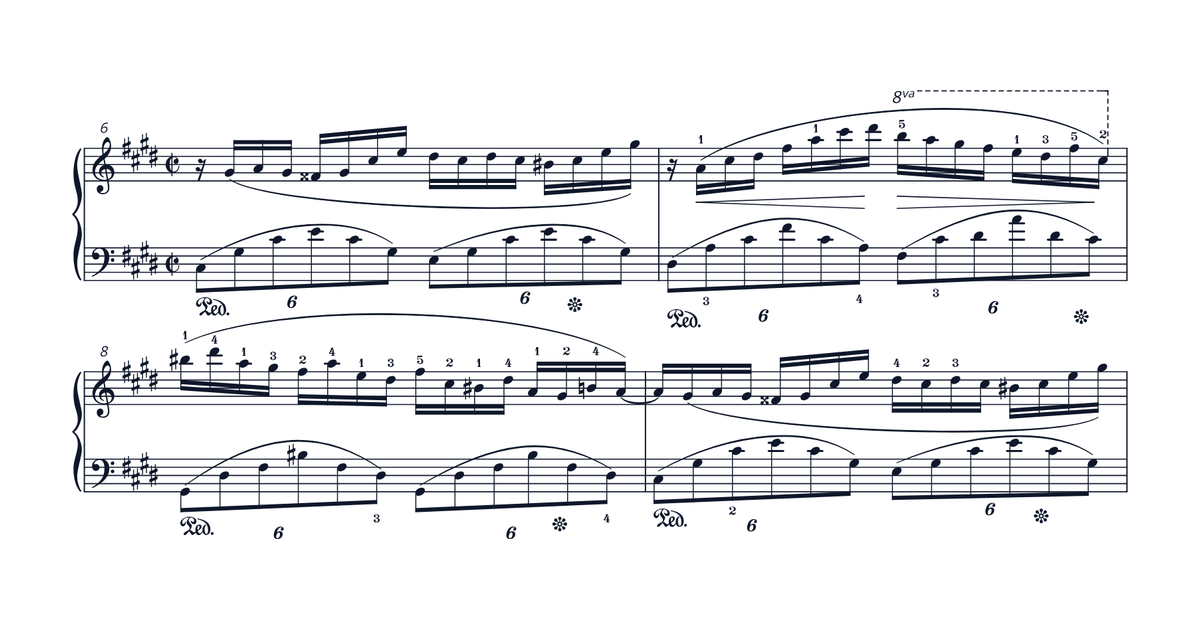 How to play fast piano songs: raising the tempo without tangled fingersPlay piano faster by keeping your fingers close to the keys, playing each beat as one motion led by the wrist, and raising the tempo 4 BPM at a time.
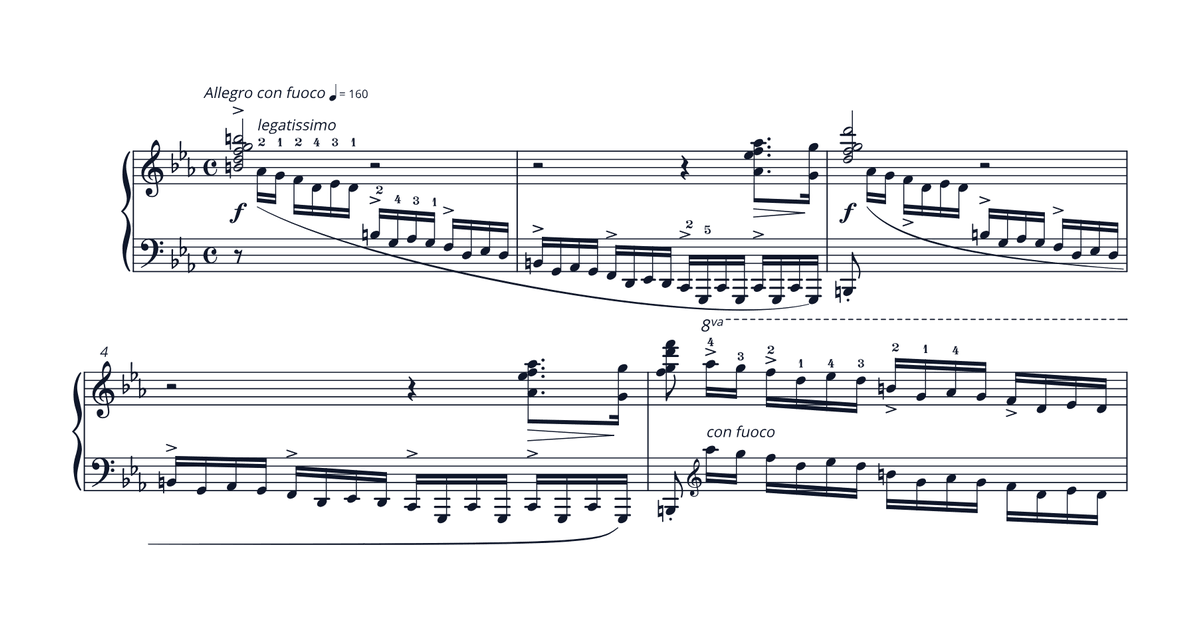 How to practice difficult piano passages without starting overStop restarting from bar 1: fix only the spot that breaks, slowly, one cause at a time, then join it back. Seven steps and a 20-minute plan.
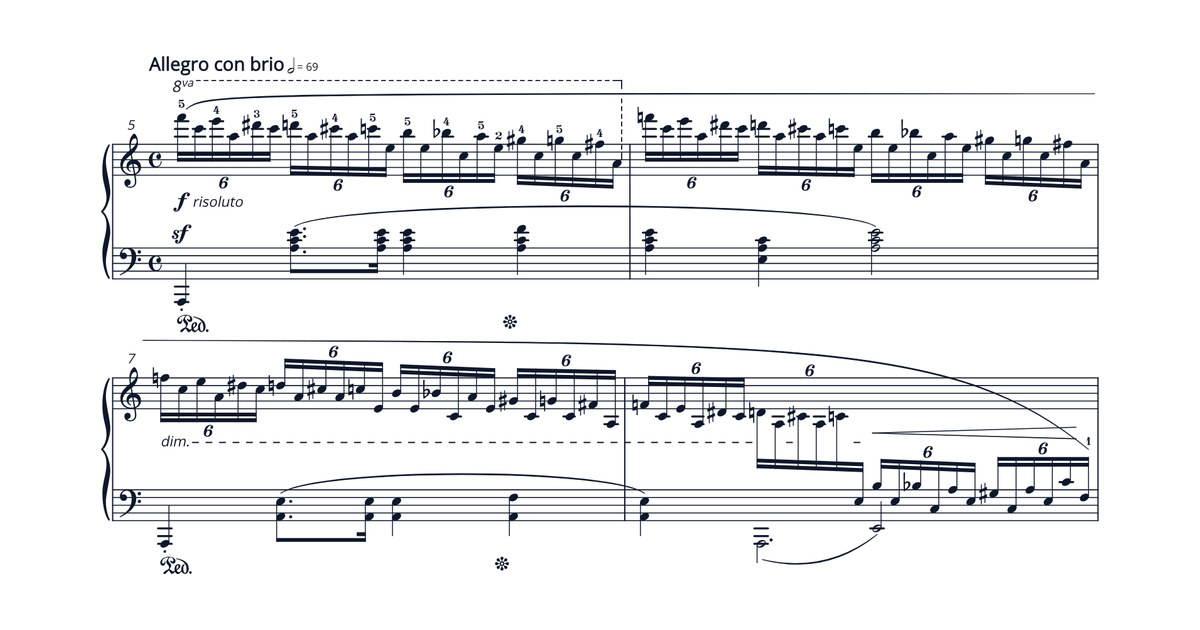 How to relax your hands when playing piano: easing tension and wrist painPiano hand tension and wrist pain usually come from pressing keys after they sound and bending the wrist. Find your habit by where it hurts and fix it.
Step 5
Memory
When you stop halfway without the score
In Virtu
Finds where you broke off from memory and has you firm up just those bars with the score
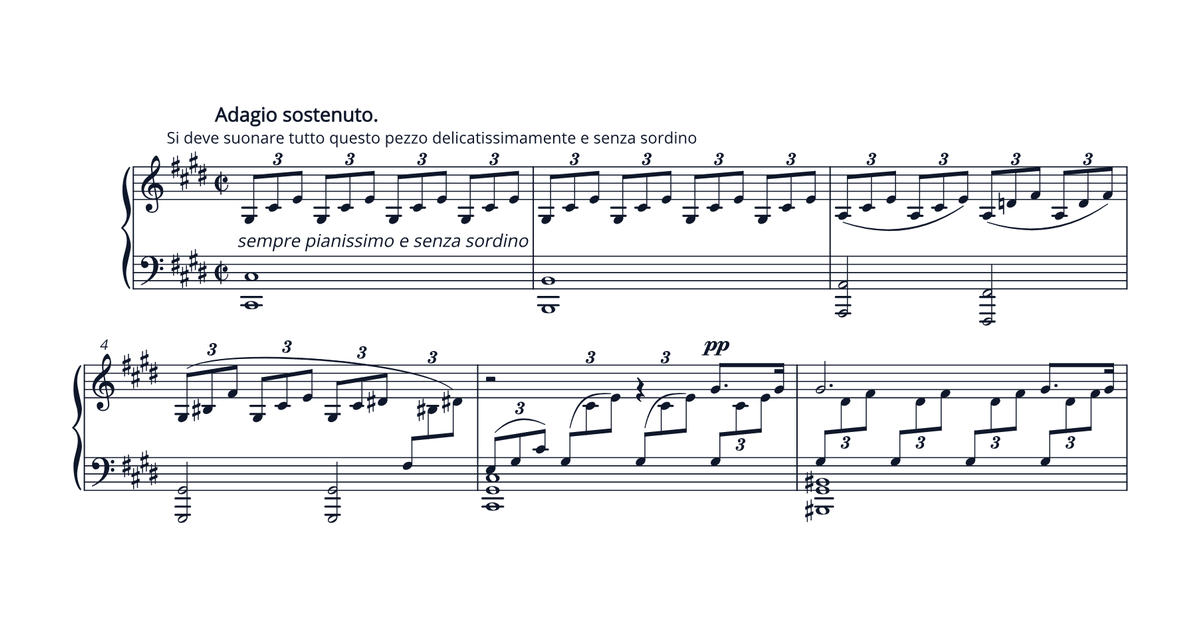 How to memorize piano music so it holds up on stageMemorize piano music by its chords, landmarks and split points, so a slip never sends you back to bar 1, then test it on the next day's first try.
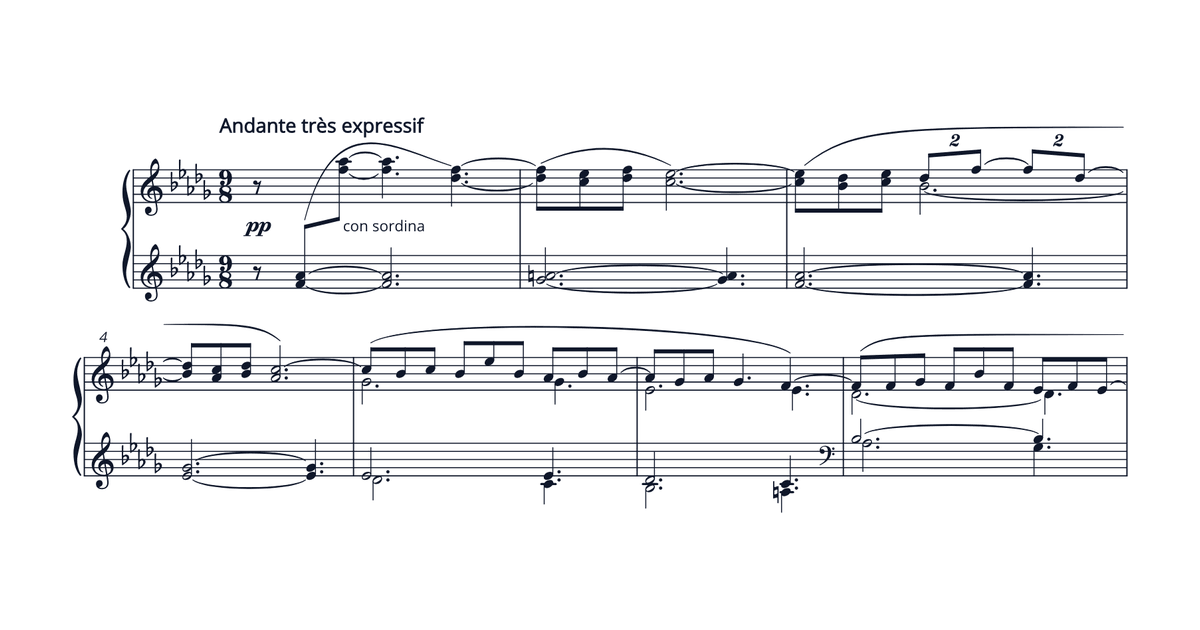 Spaced repetition for piano: bring passages back before they fadeSpaced repetition for piano: review a passage after 1 day, 3 days, a week, 2 weeks and a month, judged by one cold take. Steps, schedule, interleaving.
Step 6
Playing through
Start to finish in one run, steady even when nervous
In Virtu
In the Piece exam you play the whole piece in one run, and wherever you stop comes first in your next practice
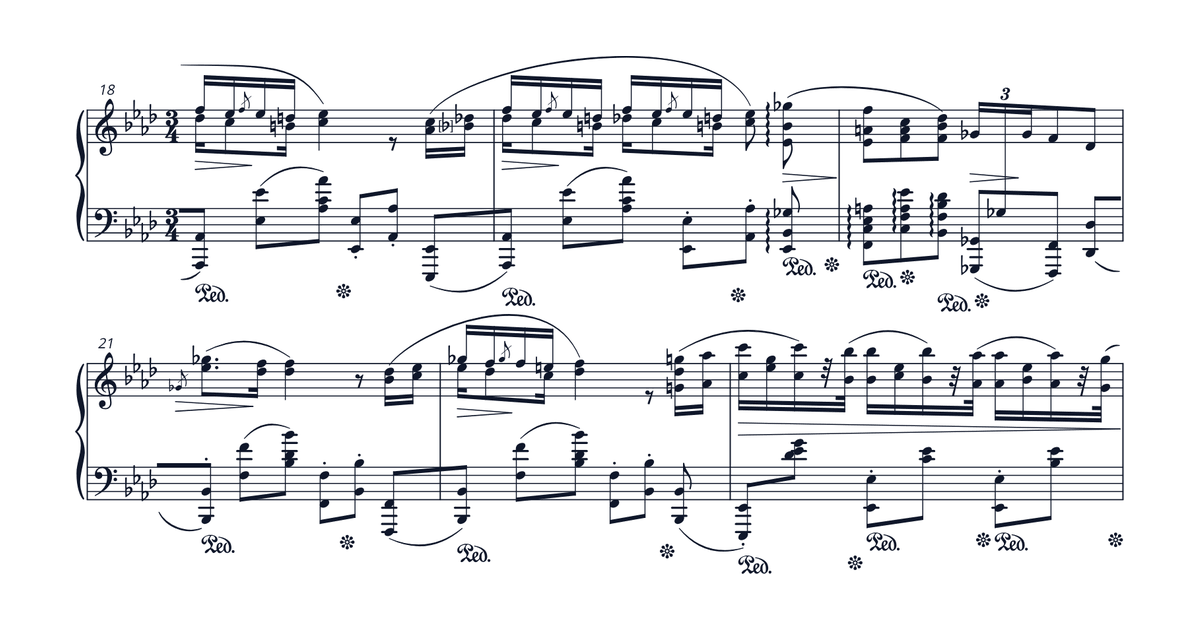 How to stop making mistakes on piano: five fixes for wrong notesStop making mistakes on piano with five drills for wrong notes: one fixed fingering, eyes ahead on leaps, silent landings, key release, dotted rhythms.
 How to prepare for a piano recital: make the first take of the day your testPrepare for a piano recital by testing the piece on your first play of each day, then follow these recital tips for the last weeks and the day itself.
Habits for every step
- How often should you practice piano, and for how long each day?Most players should practice piano 5 to 6 days a week, 15 to 60 minutes a day. See daily times by age and level, how to split them, and busy-day fixes.
- Piano practice routine for self-taught adults: what to do in 30 minutes a dayGive the core 15 minutes of a 30-minute piano practice routine to yesterday’s 2–4 trouble bars. With 15- and 45-minute plans and tweaks for each level.
- Piano practice guideA practical, step-by-step way to find difficult piano passages, slow them down, vary how you practice them, and plan useful reviews.
- How to record yourself playing piano: phone setup and what to listen forKeep your phone off the piano and 3 to 5 feet away, record a digital piano cleanly, and learn the three listens that show which bar to fix next.
- Piano apps that listen to you play: how MIDI feedback works and how to use itA piano app can listen through your phone’s microphone or read a digital piano over MIDI. See what each one catches and how to practice from its marks.
- How to connect a digital piano to an iPad or phone: ports, cables, and BluetoothRun one USB cable from the piano's USB TO HOST port to your iPad or phone. Pick the cable for USB-C or Lightning, and fix doubled or missing notes.
- How many keys are on a piano? 88 vs. 61 and 76 keys, and which to chooseA standard piano has 88 keys, 52 white and 36 black, from A0 to C8. See where 61 and 76 keys run out in real pieces, find middle C, and pick a keyboard.
- MusicXML for piano: what it is, how to convert a PDF, and how to practice from itMusicXML is the sheet music file apps can read: notes, bars and both staves of the piano part. How to open one, convert a PDF and practice from it.
Virtu keeps track of the steps
From hands separate to the stage, it tells you when you’re ready for the next step